


Uncover the secret of diverging lenses

What are divergent lenses?
Divergent lenses are lenses that disperse light rays. Unlike convergent lenses, which focus light into a single point, divergent lenses cause the light rays passing through them to scatter, making them appear as if they are coming from a virtual point located in front of the lens.

How does a divergent lens work?
A divergent lens has reversed focal points, meaning the image focal point is in the object space, and the object focal point is in the image space. Imagine a divergent lens as an “inverted mountain.” When light rays pass through it, instead of converging toward a common point, the rays are scattered and move away from each other. This happens because the divergent lens is thicker at the edges and thinner in the center, causing the light rays to deviate from the central axis.
What role do divergent lenses play in daily life?
The most common use of divergent lenses is for people who suffer from myopia (nearsightedness). Myopia is a condition in which people can see nearby objects clearly but have difficulty seeing objects at a distance. With the help of a divergent lens, light rays are diverted so that they seem to come from a closer point than they do, allowing the eye to better focus and see clearly.
Characteristics of divergent lenses:
- Shape: Divergent lenses are thin in the center and thick at the edges.
- Light scattering: They scatter the light rays passing through them rather than concentrating them into a single point.
- Image formation: The image formed by a divergent lens is always virtual, smaller, and appears closer to the lens than the actual object.
Examples of the use of divergent lenses:
- Glasses for myopia: As mentioned earlier, divergent lenses are essential for correcting the vision of people suffering from myopia.
- Binoculars and telescopes: These instruments use a combination of divergent and convergent lenses to obtain a clear and magnified image of distant objects.
How do you know if you need a divergent lens?
If you are having difficulty seeing distant objects clearly, you may need a pair of glasses with divergent lenses. An eye exam will confirm this and recommend the appropriate prescription.
Conclusion
Divergent lenses are an essential invention for correcting vision and play a role in many other daily activities where clear vision is important. Although they may seem complex, their role is quite simple: they help scatter light, providing the eye with the clear image it needs. Being a common element in our daily lives, divergent lenses do much more than we might imagine helping us see the world more clearly! If you have any questions or need personalized recommendations, our team of experts is here to help!
More articles

Myopia in children: symptoms, prevention, and natural treatments
Myopia can appear even at an early age, sometimes as young as 3 years old, and the first signs are often noticed by parents. Although there are no natural remedies that can cure myopia, healthy habits — a balanced diet, time spent outdoors, and limited screen use — can support medical treatment. With regular eye check-ups and active parental involvement, a child’s vision can be protected in the long term.

Special lenses for children: what innovative options exist and how to choose wisely
Special lenses for children with myopia provide not only clear vision but also long-term protection. With innovative designs such as MyoLess, they can slow the progression of myopia and reduce eye strain. Adapted to the child’s age and lifestyle, they combine everyday comfort with real, lasting benefits for eye health.
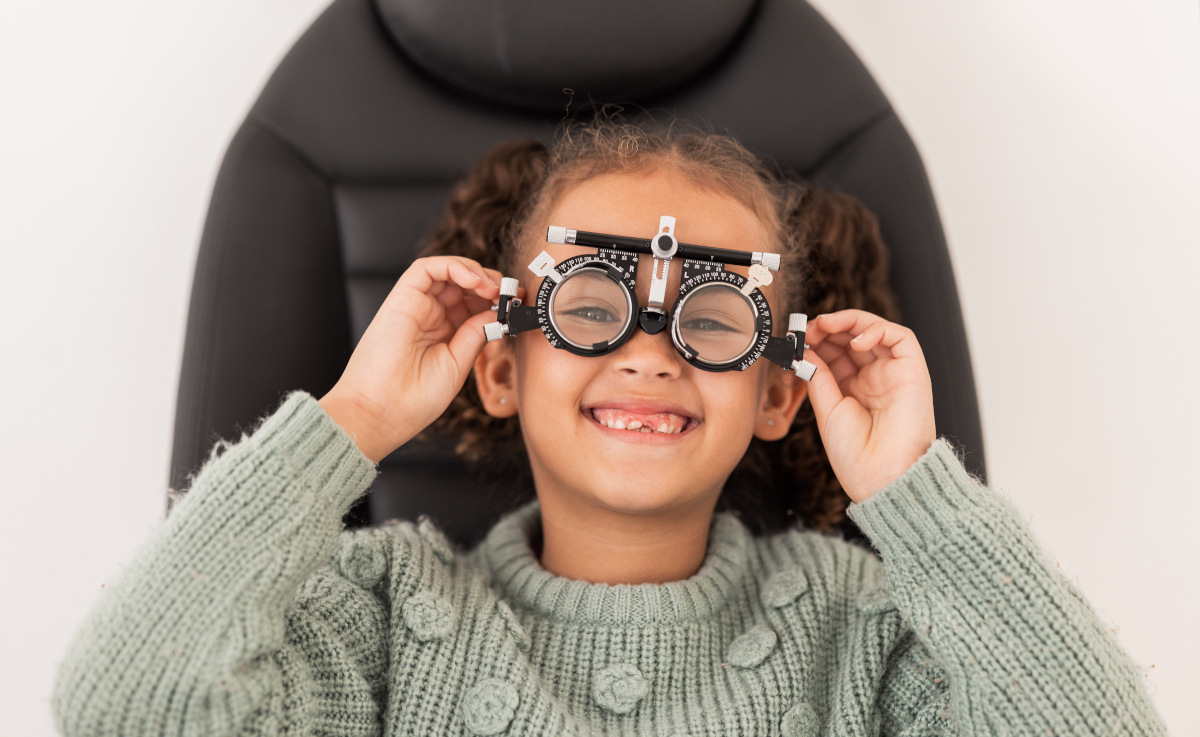
High myopia in children: what solutions exist and which lenses help
When a child has high myopia, modern solutions are needed to provide clarity and slow the progression of the condition. Special lenses for myopia control, such as MyoLess, can reduce the increase in diopters and protect vision in the long term. With regular medical monitoring and healthy daily habits, the child can maintain healthy eyes and stable vision over time.