


Tips and innovations from Avvero: the official blog for eyeglass lenses.
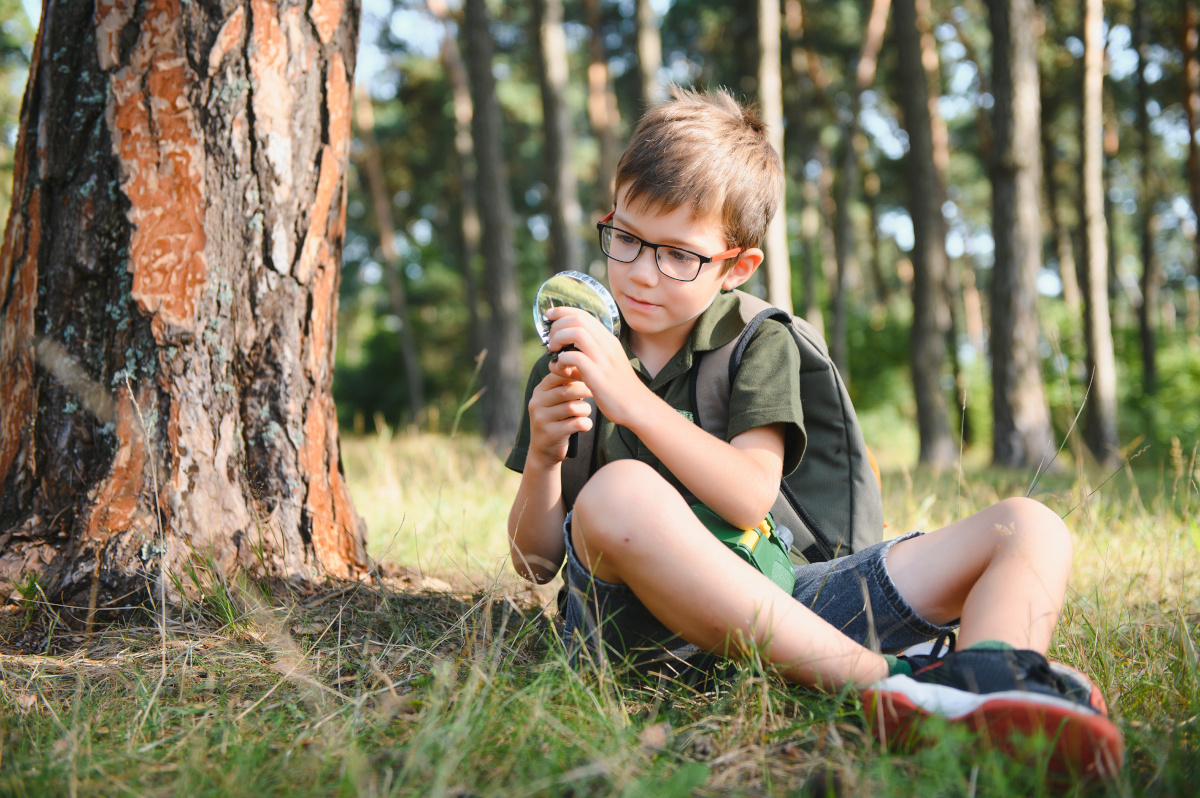
Myopia in children: symptoms, prevention, and natural treatments
Myopia can appear even at an early age, sometimes as young as 3 years old, and the first signs are often noticed by parents. Although there are no natural remedies that can cure myopia, healthy habits — a balanced diet, time spent outdoors, and limited screen use — can support medical treatment. With regular eye check-ups and active parental involvement, a child’s vision can be protected in the long term.
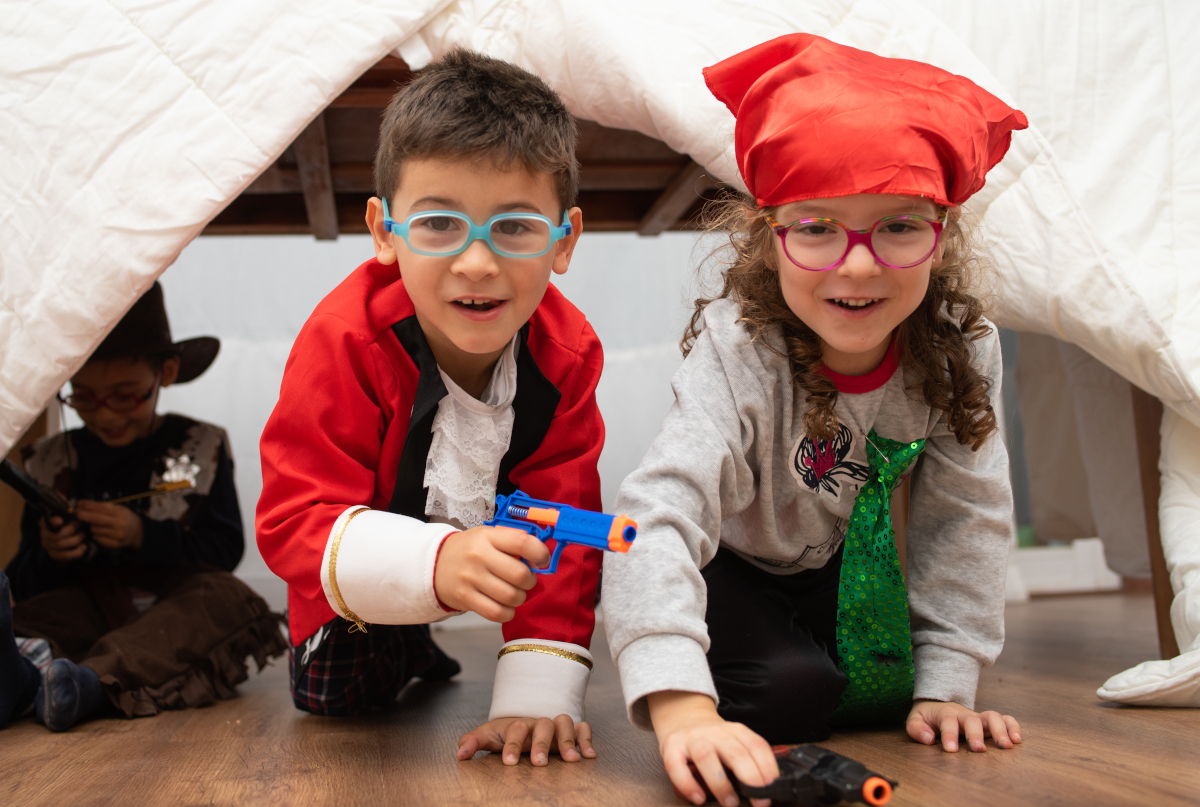
Special lenses for children: what innovative options exist and how to choose wisely
Special lenses for children with myopia provide not only clear vision but also long-term protection. With innovative designs such as MyoLess, they can slow the progression of myopia and reduce eye strain. Adapted to the child’s age and lifestyle, they combine everyday comfort with real, lasting benefits for eye health.
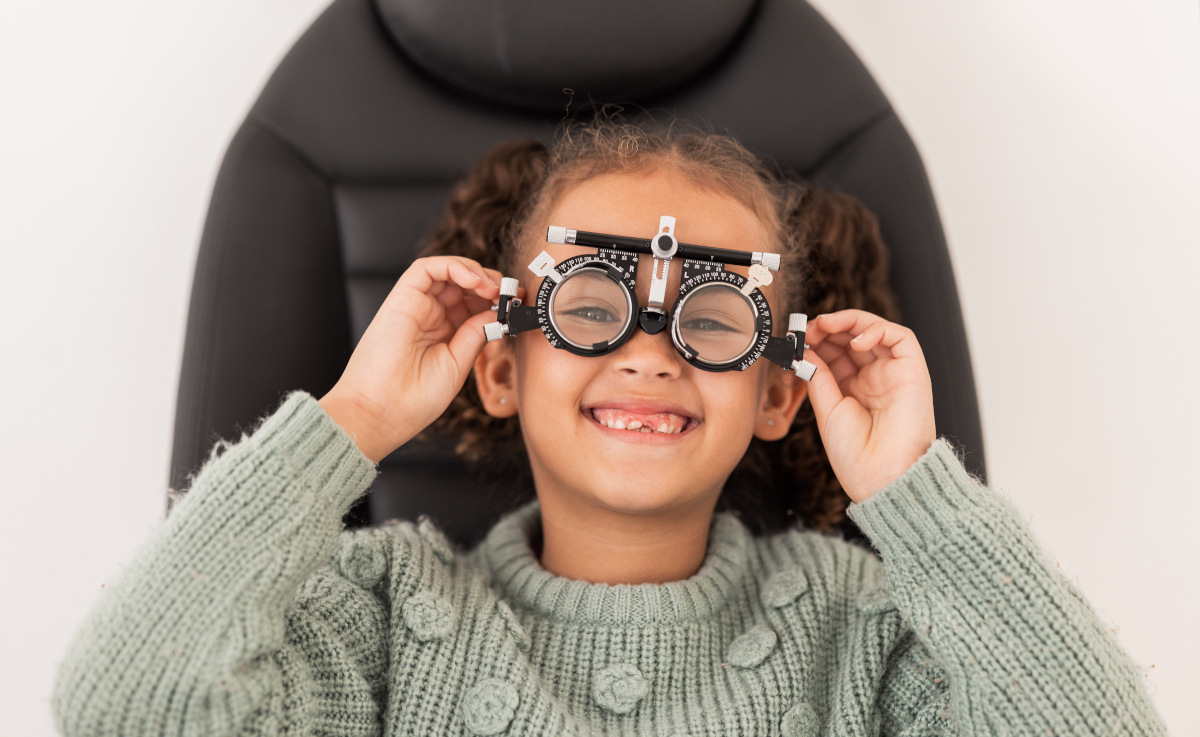
High myopia in children: what solutions exist and which lenses help
When a child has high myopia, modern solutions are needed to provide clarity and slow the progression of the condition. Special lenses for myopia control, such as MyoLess, can reduce the increase in diopters and protect vision in the long term. With regular medical monitoring and healthy daily habits, the child can maintain healthy eyes and stable vision over time.
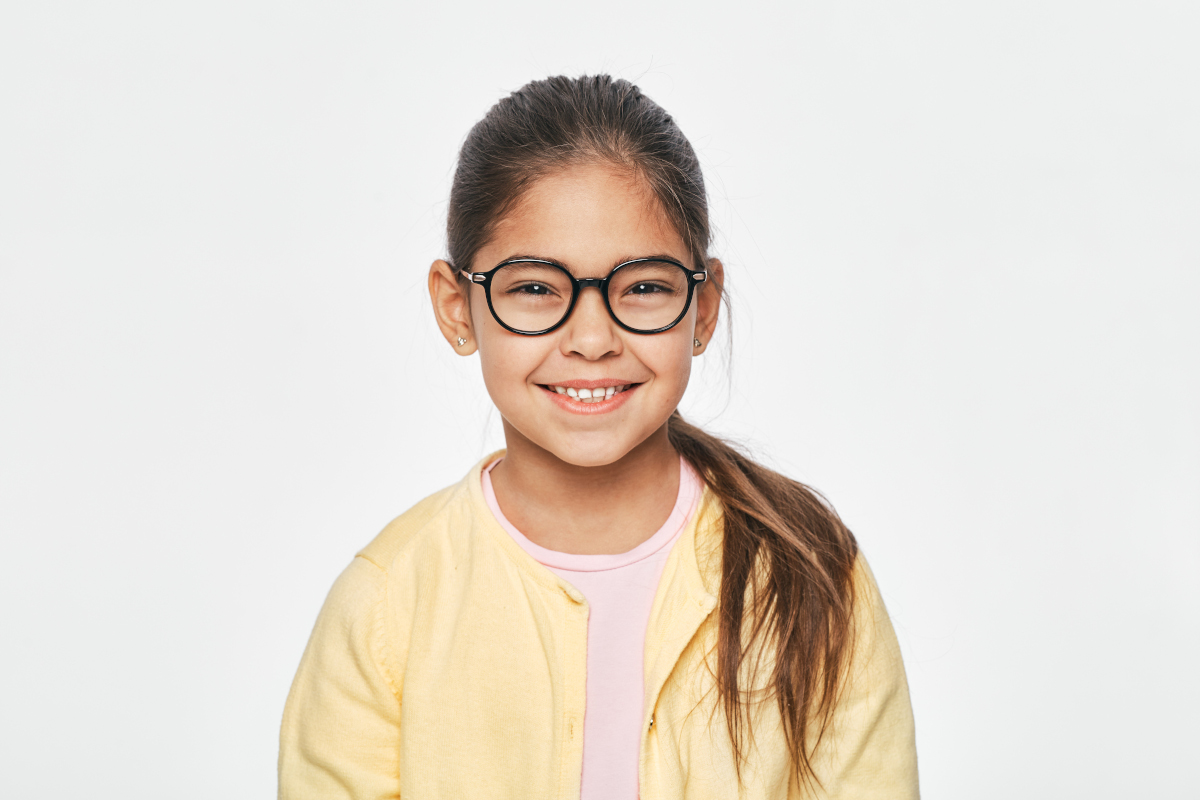
Treatment for myopia in children: safe and effective options
More and more parents are looking for modern solutions to correct their children’s myopia, and today’s treatments offer safe and effective options. Special glasses, contact lenses, or atropine treatments can be tailored to each child, depending on age and the degree of myopia. With proper medical supervision and healthy daily habits, vision can remain clear and stable in the long term.

Correcting myopia in children: safe methods and how to choose
At the age when a child is diagnosed with myopia, the natural question for parents is: “How can we correct their vision and stop the problem from progressing?” Correction doesn’t mean a cure, but rather methods that provide clear sight now and slow down long-term progression. Special glasses, contact lenses, atropine treatments, or overnight lenses — all can be adapted to the child’s age and lifestyle. With the doctor’s guidance and the parents’ daily involvement, a child’s vision can be protected for years to come.
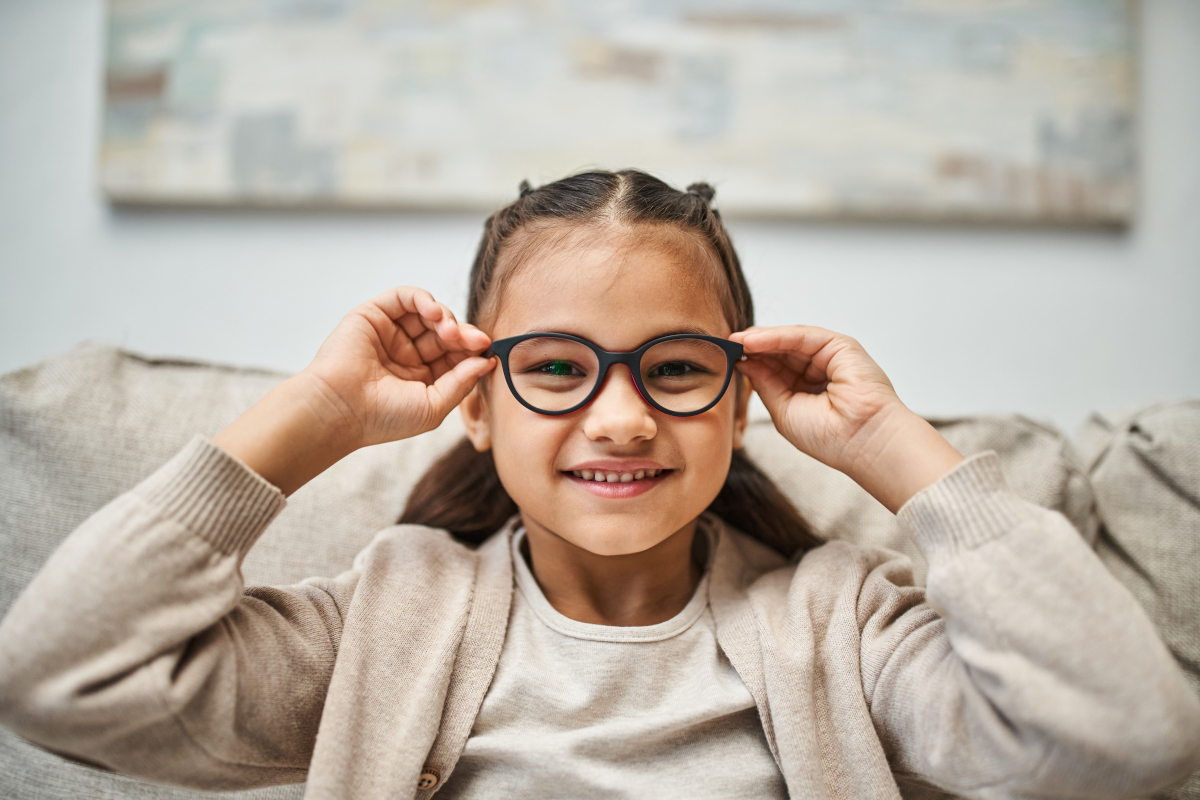
Myopia in 7-year-old children: how to recognize the signs and solutions
At the age of 7, some children start to see poorly at a distance, and parents may notice that they sit too close to the board or the screen. Early-onset myopia can progress quickly, but the good news is that there are effective solutions — special glasses, safe treatments, and healthy daily habits. With the help of doctors and parents, a child’s vision can be protected in the long term.

About childhood myopia: how to recognize it and what you can do
More and more children are being diagnosed with myopia, and parents wonder what they can do to keep it under control. Myopia doesn’t disappear with age, but its progression can be slowed through modern methods and healthy habits. With the right information and regular checkups, parents can help their child see clearly and enjoy healthy development.

Myopia in 10-year-old children: common signs and practical solutions
At around 10 years old, more and more children begin to develop myopia, and parents notice that seeing clearly at a distance becomes a challenge. The good news is that myopia progression can be slowed with modern solutions and healthy daily habits. With the doctor’s guidance and regular checkups, your child can see clearly and enjoy healthy development.

Myolino, the mascot who introduces children to MyoLess lenses
Meet Myolino, the friendly mascot who helps children understand MyoLess — the modern lens designed not only to correct vision but also to slow myopia progression. Through clear explanations and clinical evidence, this article shows how MyoLess lenses work, what benefits they bring, and which children can benefit most. A simple, safe, and effective way to protect young eyes — with clarity today and healthy vision for tomorrow.

Glasses for childhood myopia: how to choose correctly and what options exist
When a child is diagnosed with myopia, the right glasses can make all the difference — not only in how clearly they see, but also in how their vision develops over time. This article explains how to read a myopia prescription, why proper lens centering and frame fit matter, and what types of lenses can both correct and help slow myopia progression. With expert guidance and regular check-ups, glasses become a key tool for protecting children’s vision and comfort.

Contact lenses for childhood myopia: what you need to know before choosing
For active children with myopia, contact lenses can offer freedom and clear vision without glasses — but they’re not suitable for everyone. This article explains when contact lenses can be safely used, what types exist (from daily soft lenses to Ortho-K), and how to know if your child is ready. With proper hygiene, medical supervision, and parental support, contact lenses can be a safe and effective option for managing myopia.
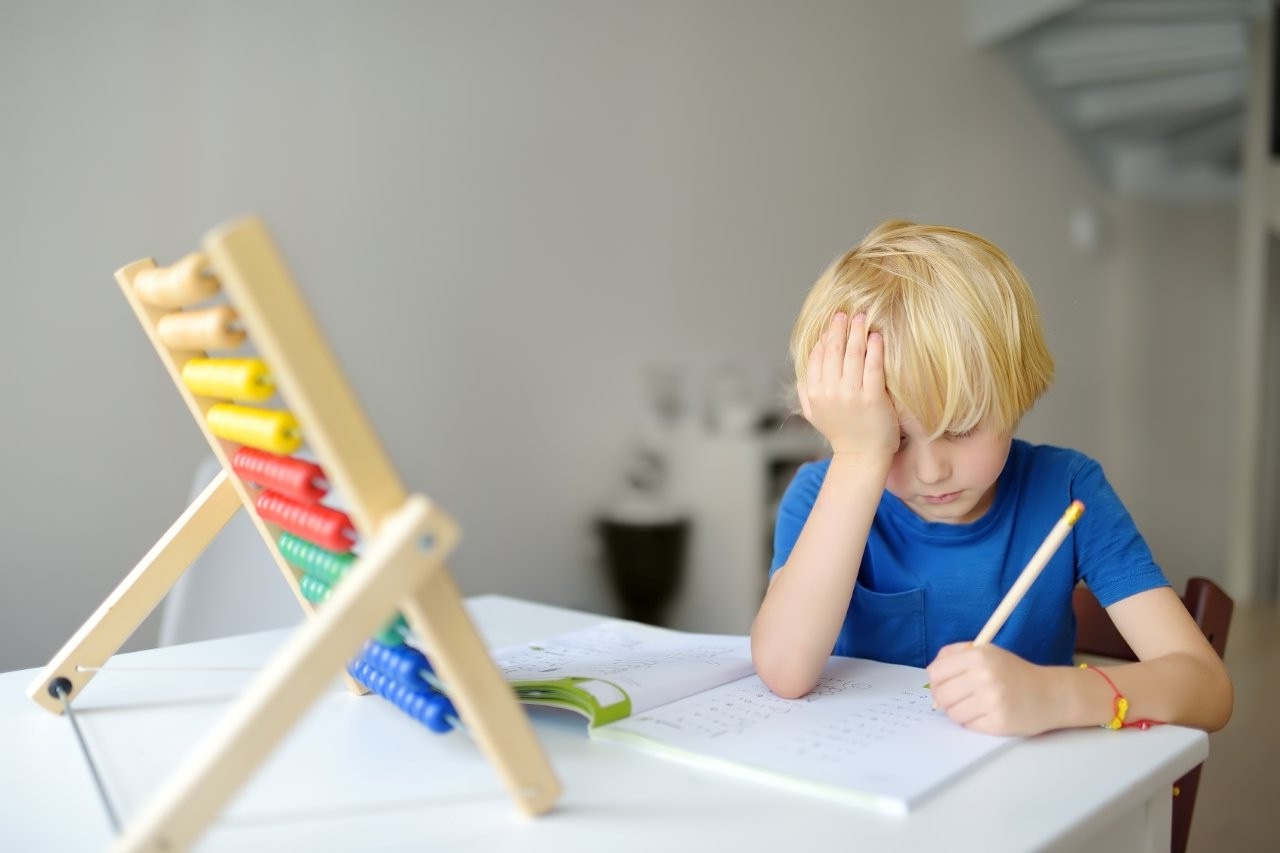
What is myopia in children and how to recognize it early
Myopia is one of the most common vision problems in children, often affecting how they learn, play, and explore the world. This article explains how myopia develops, how to recognize the first signs—such as sitting too close to the TV or squinting—and why early detection is essential. Understanding what happens inside the eye helps parents take timely action to protect their child’s vision and support healthy visual development.