


Myopia in Children
Myopia in children: what it is, why it appears, and how to manage it properly

More and more parents discover that their little ones need glasses for distance. Childhood myopia is not just about wearing minus lenses – in many cases, the prescription can increase as the child grows, especially if it starts early.
The good news is that there are scientifically proven methods that can slow the progression of myopia and reduce long-term risks. Let’s take a closer look at what myopia is, why it develops, and what you can do to manage it properly.

Myopia is a vision condition where near objects appear clear, but distant ones look blurry. This happens because the eye is slightly longer than normal or the cornea has a different curvature, so the image forms in front of the retina instead of directly on it.
In children, myopia tends to progress over time, especially during growth spurts. That’s why regular monitoring is so important.
What is myopia?

Several factors can influence the onset and progression of myopia:
- Genetics – if one or both parents are myopic, the child has a higher risk of developing it.
- Near work activities – spending a lot of time reading, studying, or using screens can increase the risk.
- Too little time outdoors – studies show that natural light exposure helps regulate eye growth and can lower the risk of myopia.
Genes can’t be changed, but daily habits can be improved to reduce progression.
What causes myopia in children?

Today, there are effective methods to slow down myopia progression, which you can discuss with your eye doctor:
- Special glasses with defocus zones – such as MyoLess lenses, designed to relax the eye and slow prescription growth
- Dual-focus contact lenses – proven effective in long-term studies
- Orthokeratology (Ortho-K) – lenses worn at night that reshape the cornea, providing clear daytime vision and reducing myopia progression
- Low-dose atropine eye drops – used in the evening to slow down progression
Each method has its benefits and is recommended based on the child’s age and medical advice. Recent clinical studies have shown that certain special myopia-control glasses can reduce progression by up to one-third compared to standard glasses. This means choosing the right lens type not only improves vision today but also protects long-term eye health.
Solutions for controlling myopia in children
How to tell if your child has myopia
You might notice certain signs that it’s time for an eye exam:
- Your child moves closer to the board or TV, sometimes squinting to see better
- Prefers to hold a book or tablet very close to the eyes
- Complains of headaches or eye strain after reading or doing homework
- Blinks frequently or experiences excessive tearing
If you notice one or more of these signs, it’s best to schedule an eye exam soon.
How to protect children’s eyes at home
Even at home, you can support your child’s eye health with a few simple rules:
- Encourage at least two hours of outdoor time in natural light daily
- Set regular breaks from reading or screens – every 20 minutes, looking into the distance for a few seconds helps a lot
- Maintain proper viewing distance: 30–40 cm for reading, arm’s length for a monitor
- Make sure the desk or play/study area is well lit
These measures don’t replace treatment, but they support it and can make a real difference long-term.
When to see an eye doctor
It’s important to schedule an eye exam:
- As soon as you notice signs of myopia
- At least once a year, even without obvious symptoms
- More often, if recommended by the doctor, especially if the prescription increases rapidly or if there’s a family history of myopia
Regular check-ups help with early detection and choosing the right time to start myopia-control treatments.
Common myths about myopia
There are many misconceptions about myopia. Here are some of the most common:
- “Glasses make the eyes lazier.” – False. Glasses correct vision; they don’t worsen myopia.
- “Myopia goes away on its own.” – False. Myopia doesn’t disappear with age; in fact, it usually progresses.
- “Only kids who use the computer a lot get myopia.” – Partially false. Screens can contribute, but excessive reading and lack of outdoor time also play a big role.
FAQ
Does myopia progress quickly?
Yes, in some children prescriptions can increase by as much as one diopter per year. The rate varies, but regular monitoring is essential.
Can myopia decrease over time?
Generally, no. The goal is to slow progression and prevent complications such as myopic maculopathy or retinal detachment.
At what age does myopia usually begin?
Most often between ages 6 and 12, but it can appear even earlier.
Choose wisely and protect your child’s vision
Childhood myopia is not just a vision problem corrected with minus lenses. It’s a condition that can progress and requires attention. The good news is that today there are effective solutions and simple habits that help. With regular monitoring and modern treatments, your child can see clearly and safeguard their eye health for the future.
Childhood myopia: Tips and innovations from Avvero

Understanding the Causes of Myopia in Children
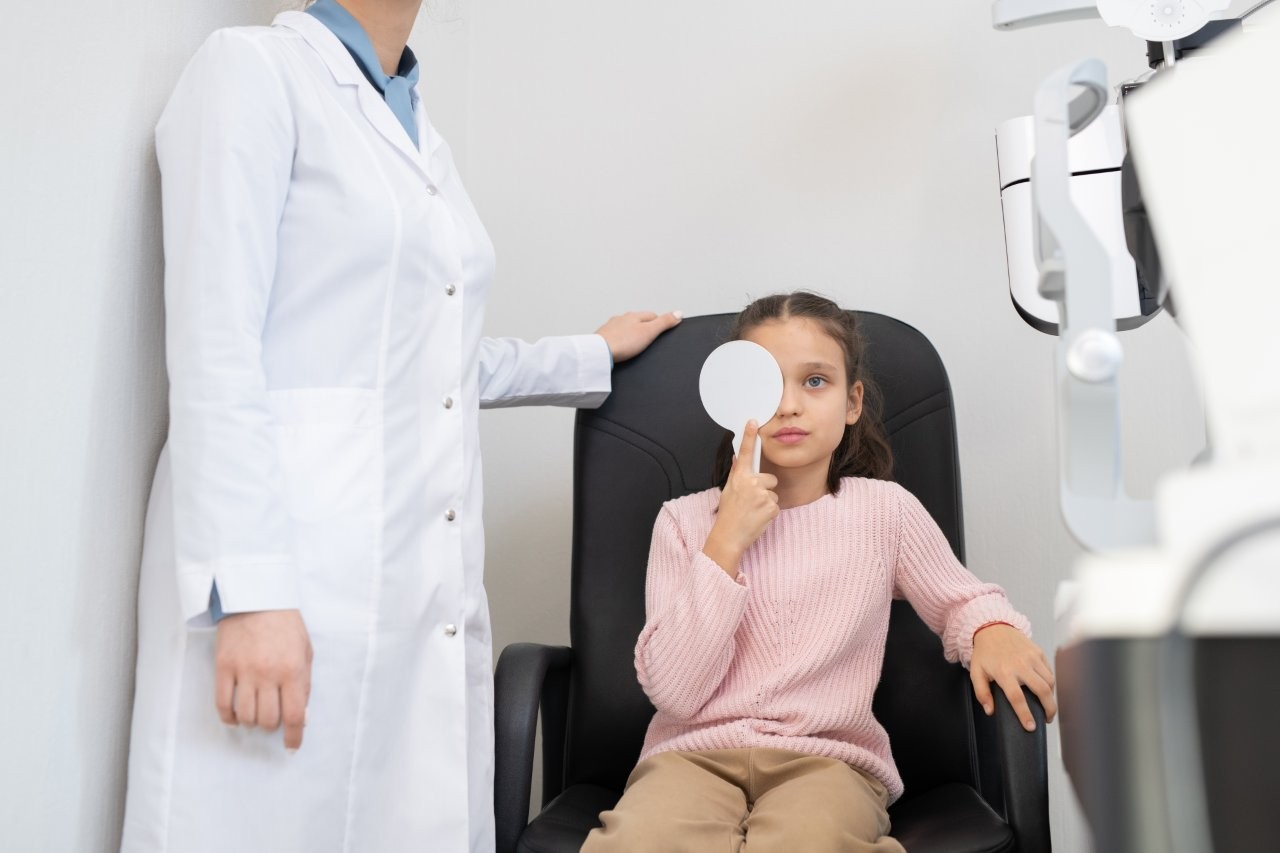
Myopia in Children: Solutions and Treatments

Discover Avvero’s initiative for managing childhood myopia, together with Myolino.
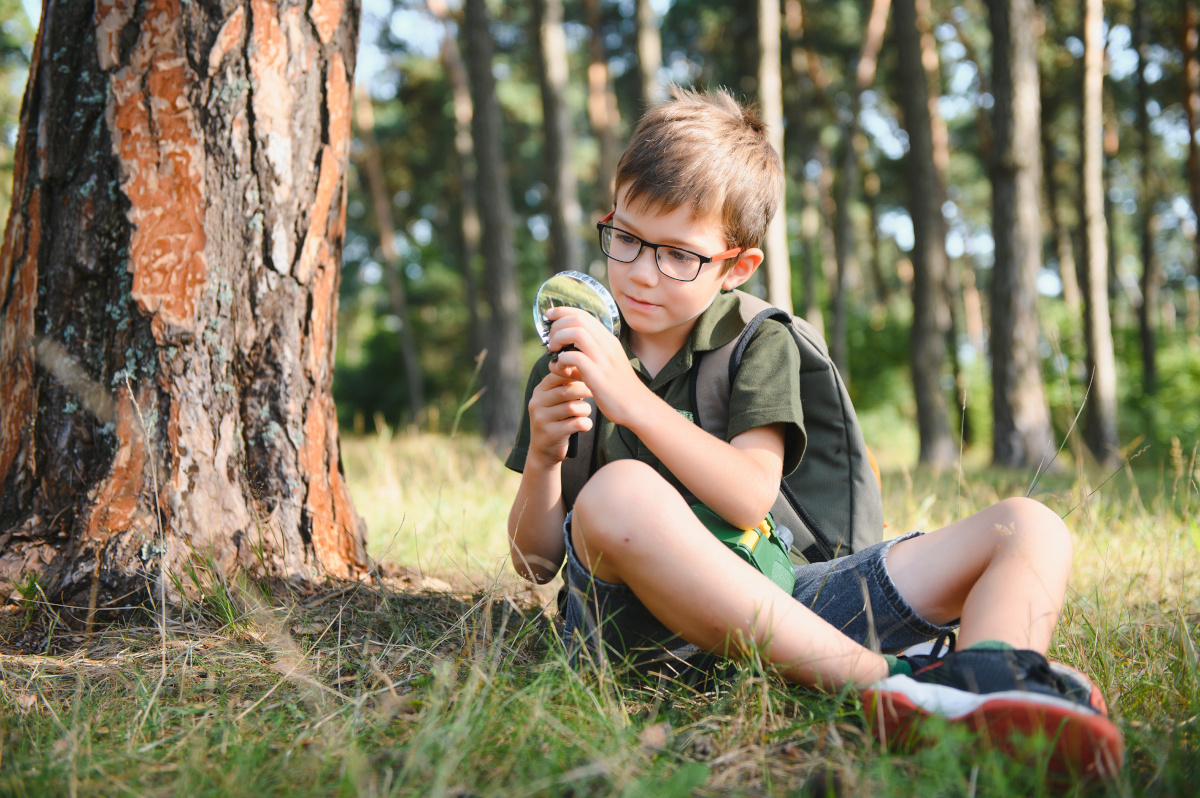
Myopia in children: symptoms, prevention, and natural treatments
Myopia can appear even at an early age, sometimes as young as 3 years old, and the first signs are often noticed by parents. Although there are no natural remedies that can cure myopia, healthy habits — a balanced diet, time spent outdoors, and limited screen use — can support medical treatment. With regular eye check-ups and active parental involvement, a child’s vision can be protected in the long term.

Special lenses for children: what innovative options exist and how to choose wisely
Special lenses for children with myopia provide not only clear vision but also long-term protection. With innovative designs such as MyoLess, they can slow the progression of myopia and reduce eye strain. Adapted to the child’s age and lifestyle, they combine everyday comfort with real, lasting benefits for eye health.
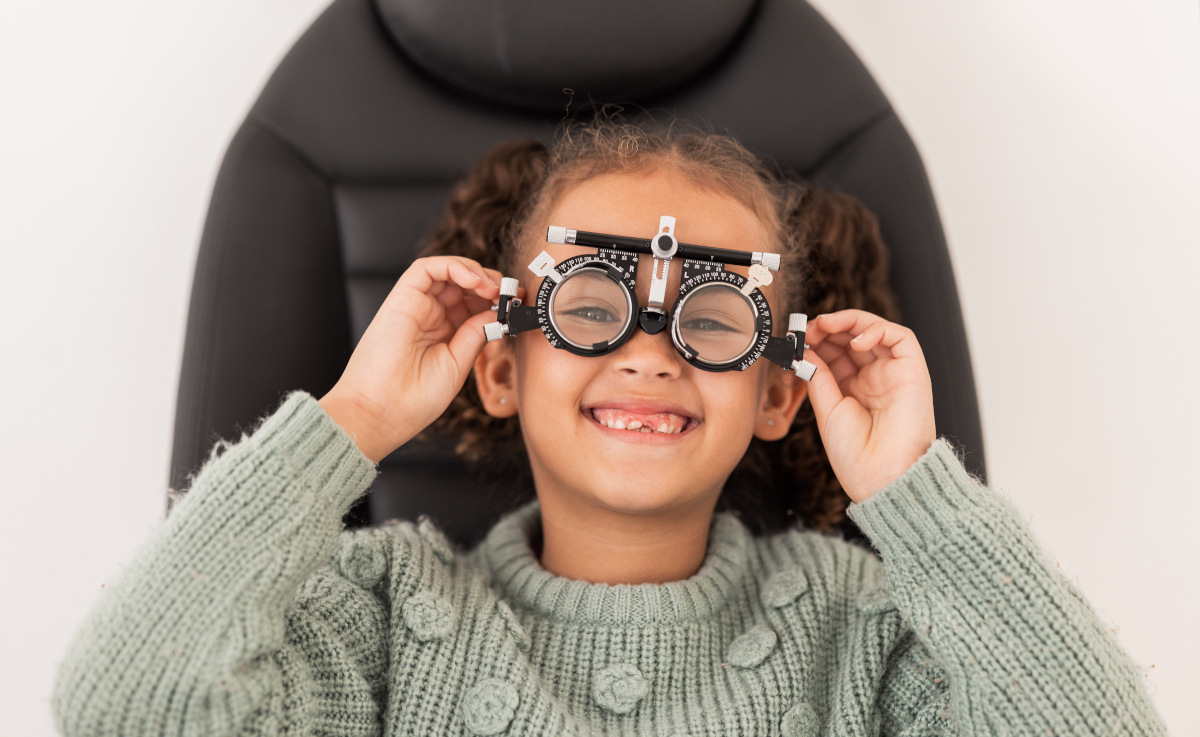
High myopia in children: what solutions exist and which lenses help
When a child has high myopia, modern solutions are needed to provide clarity and slow the progression of the condition. Special lenses for myopia control, such as MyoLess, can reduce the increase in diopters and protect vision in the long term. With regular medical monitoring and healthy daily habits, the child can maintain healthy eyes and stable vision over time.
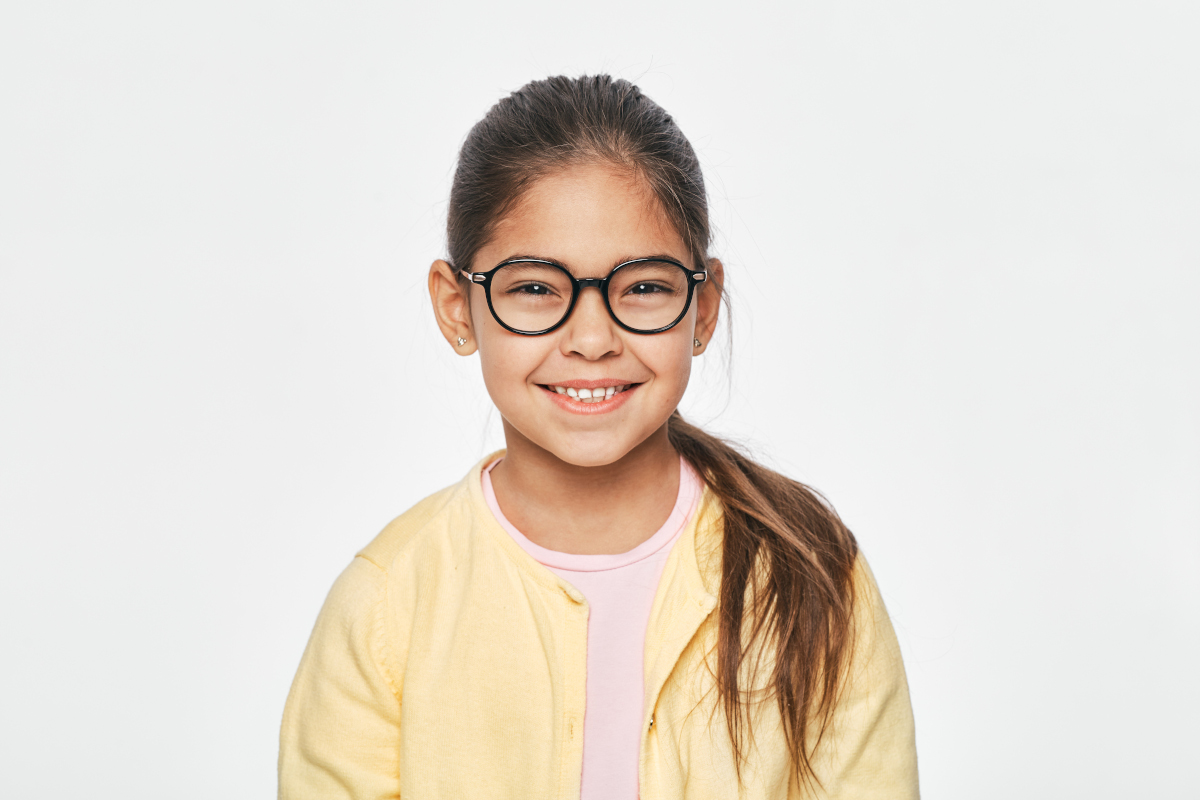
Treatment for myopia in children: safe and effective options
More and more parents are looking for modern solutions to correct their children’s myopia, and today’s treatments offer safe and effective options. Special glasses, contact lenses, or atropine treatments can be tailored to each child, depending on age and the degree of myopia. With proper medical supervision and healthy daily habits, vision can remain clear and stable in the long term.

Correcting myopia in children: safe methods and how to choose
At the age when a child is diagnosed with myopia, the natural question for parents is: “How can we correct their vision and stop the problem from progressing?” Correction doesn’t mean a cure, but rather methods that provide clear sight now and slow down long-term progression. Special glasses, contact lenses, atropine treatments, or overnight lenses — all can be adapted to the child’s age and lifestyle. With the doctor’s guidance and the parents’ daily involvement, a child’s vision can be protected for years to come.
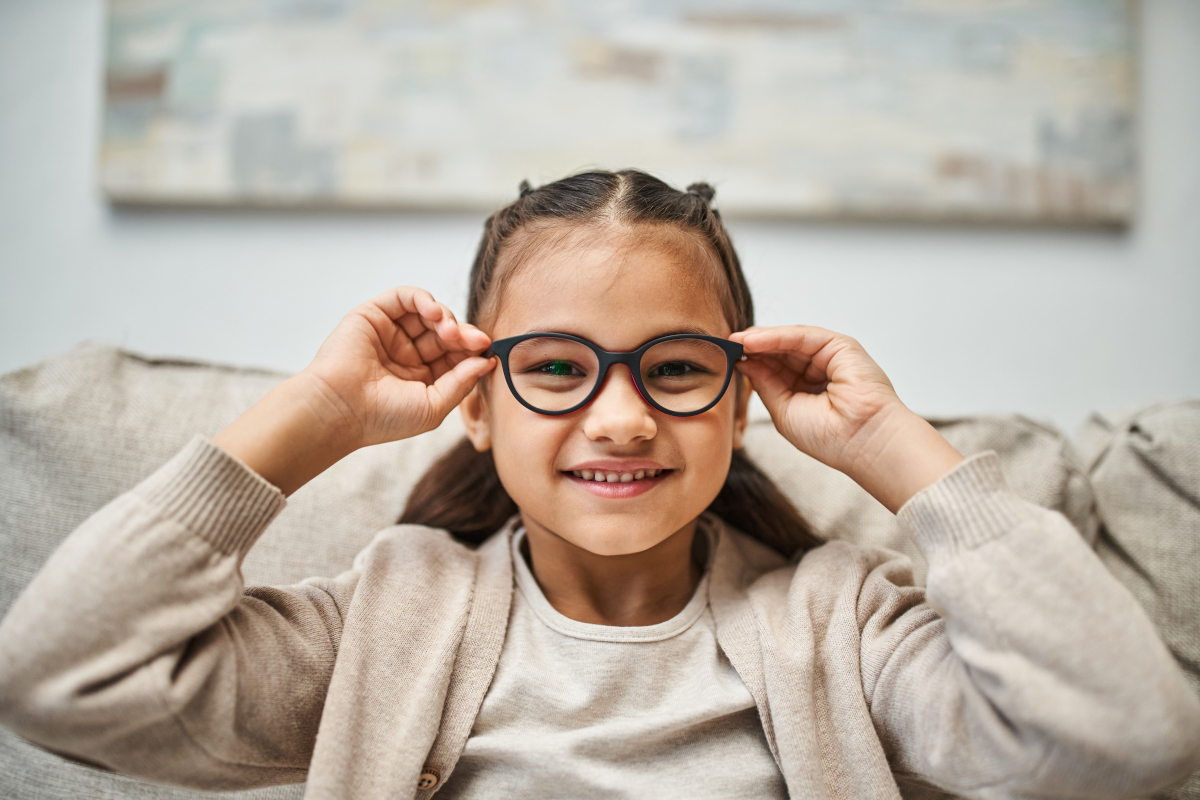
Myopia in 7-year-old children: how to recognize the signs and solutions
At the age of 7, some children start to see poorly at a distance, and parents may notice that they sit too close to the board or the screen. Early-onset myopia can progress quickly, but the good news is that there are effective solutions — special glasses, safe treatments, and healthy daily habits. With the help of doctors and parents, a child’s vision can be protected in the long term.