


Special lenses for children: what innovative options exist and how to choose wisely

When your child is diagnosed with myopia, you want a solution that gives them clear vision now and long-term protection. The good news is that there are special lenses for children with myopia that not only correct vision but can also slow down its progression. As a parent, it’s natural to want simple explanations: what they are, how they work, who they are suitable for, and how to make the right choice.
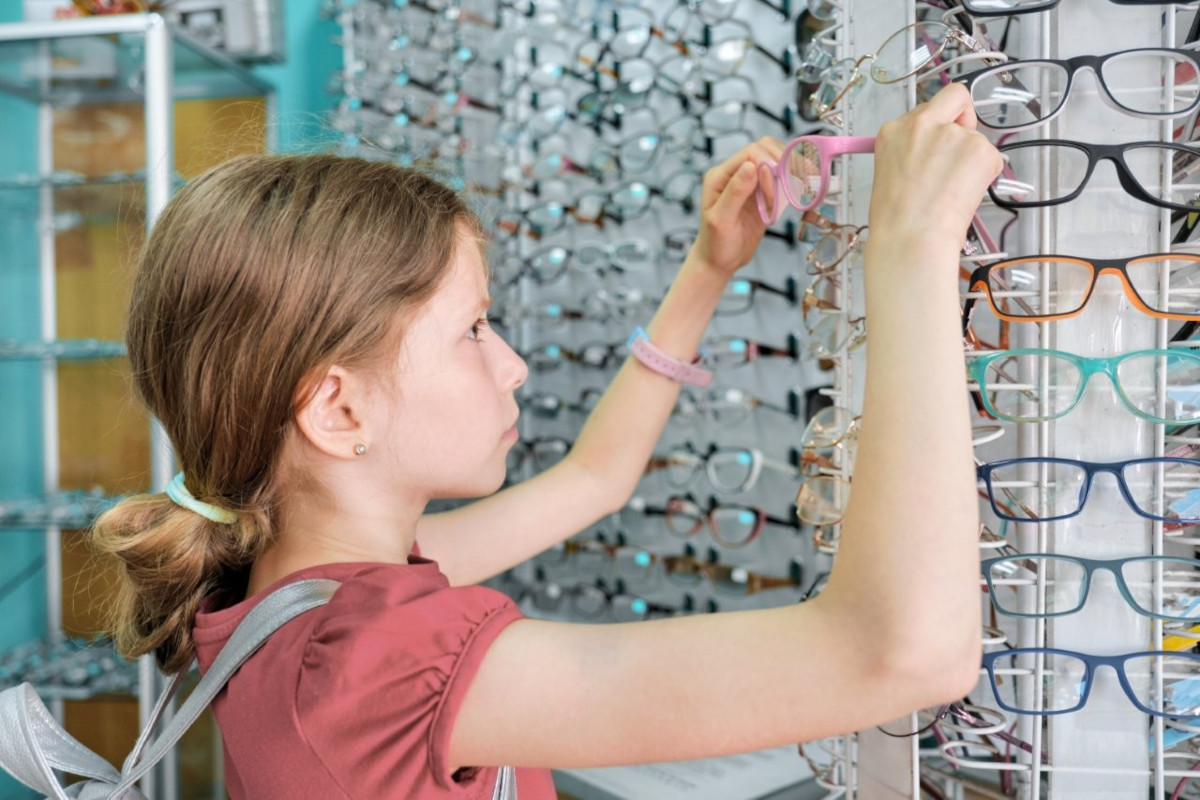
What “special lenses” mean and why they are worth considering
Instead of focusing only on immediate clarity, these ophthalmic lenses for children with myopia use optical designs tailored to the growing eye. Their dual purpose is clear:
- helping the child see well at school, in sports, and during play
- slowing the rate at which diopters increase
In fact, these lenses can slow down the elongation of the eyeball itself—since the more it elongates, the stronger myopia becomes. That means they not only correct vision now but also help control myopia progression in the long run.

How myopia control technology works
In simple words, the technology behind myopia lenses creates:
- a clear central vision zone
- controlled peripheral zones (peripheral defocus)
This optical “message” to the retina reduces the stimulus for eye elongation—the main factor that drives myopia progression. Children don’t notice tricks in vision, just a slight adjustment at the start. They see clearly, while the lens design quietly works in the background.
Types of ophthalmic lenses for children and when they are suitable
To make an informed choice, it helps to know the options available and when they are recommended.
Innovative lenses for myopia control
For myopia control, there are innovative lenses for children with special designs. For example, MyoLess lenses:
- correct distance vision in the center of the lens
- help slow myopia progression thanks to treatment zones at the edges
This solution is:
- easy for children to accept
- high quality optically, thanks to the material
- also available in thinner versions for stronger prescriptions
Special filters for artificial or natural light can also be added to protect children’s eyes in any environment.
Choosing by age
The right choice of special lenses depends on the child’s age, as each stage has its needs:
- For younger children, the focus is on fast adaptation, comfort, and safe frames.
- For preteens and teens, aesthetics (thinner lenses, premium coatings) can make daily use easier.
In both cases, MyoLess lenses are an ideal solution.
Practical benefits you’ll notice at home
Before looking at charts or technical terms, here’s what changes in everyday life:
- the child sees more clearly at the board, during sports, and at traffic signs
- less eye strain after homework and reading
- more consistent glasses use, since the lenses are light and comfortable
- regular check-ups show slower progression compared to regular glasses. In fact, more than 73% of children who wore MyoLess did not have significant progression in the first 12 months.
How to choose correctly: simple steps to avoid mistakes
The final decision is made with the ophthalmologist, but you can prepare with some clear criteria:
- Child’s age and responsibility – for younger children, special myopia management glasses are usually the first option; for older children, alternatives such as special contact lenses or Ortho-K may be considered.
- Degree and speed of progression – fast-growing prescriptions usually justify switching to myopia control designs. Younger children tend to progress faster, so early monitoring is essential.
- Proper frames – the optical center must align with the child’s pupils. Lightweight, stable frames are important, as even the best lens loses effectiveness in the wrong frame.
- Refractive index – for higher prescriptions, a thinner lens improves comfort and appearance. Discuss the best option with the specialist.
- Surface treatments – good quality anti-reflective coatings (with hardening, hydrophobic-oleophobic layers), UV protection, and blue light filters if needed all improve comfort.
Care, adaptation, and habits that make a difference
Even the best special lenses need some simple habits to work well. A suggested routine:
- explain briefly to your child why they wear these lenses: they help now and protect for the future
- agree that the lenses must be worn consistently, except during sleep
- clean them properly (microfiber cloth, water, and mild soap)
- schedule check-ups every 6–12 months so the doctor can adjust the prescription and track progress
FAQ
Will my child adapt quickly to innovative lenses?
Usually, yes. There may be a short adaptation period, but most children feel comfortable within a few days. (During the first 1–3 days, we recommend avoiding biking or scootering.)
How much do they “stop” myopia?
No method stops it completely. The goal is to slow progression compared to regular glasses.
Are they more expensive than regular lenses?
Yes, because they include myopia control technology. In the long run, they can mean lower prescriptions and fewer risks.
Do they need a special frame?
Not necessarily, but the frame must be chosen carefully (size, stable bridge, adjustable arms) and centered precisely. It’s essential to ensure the child looks through the clear zone.
Common mistakes to avoid
- choosing frames that are too large or slip down (reduces comfort and efficiency)
- occasional wearing only “when they remember” (lowers effectiveness)
- delaying check-ups (“it seems they see well”) – regular monitoring is part of the treatment
- unrealistic expectations (they don’t “cure” myopia; they control it)
When they are not suitable and what alternatives exist
There are cases where innovative lenses are not the first choice—for example, if the child plays professional contact sports (football, boxing, etc.) and cannot wear glasses. In such cases, the doctor may suggest:
- special contact lenses for myopia control
- Ortho-K (overnight lenses)
What results to expect and how long it takes
Results don’t appear overnight; they build up over time. As the child wears the lenses correctly, check-ups can show slower progression compared to classic glasses. The key is to start early, wear them consistently, and return for timely adjustments.
The right lenses: clear vision today, protection for tomorrow
By choosing special lenses for children with myopia, based on modern technology and combined with a simple routine, you give your child not only daily clarity but also a real chance to keep myopia under control long-term.
Childhood myopia: Tips and innovations from Avvero

Myopia in children: what it is, why it appears, and how to manage it properly

Understanding the Causes of Myopia in Children
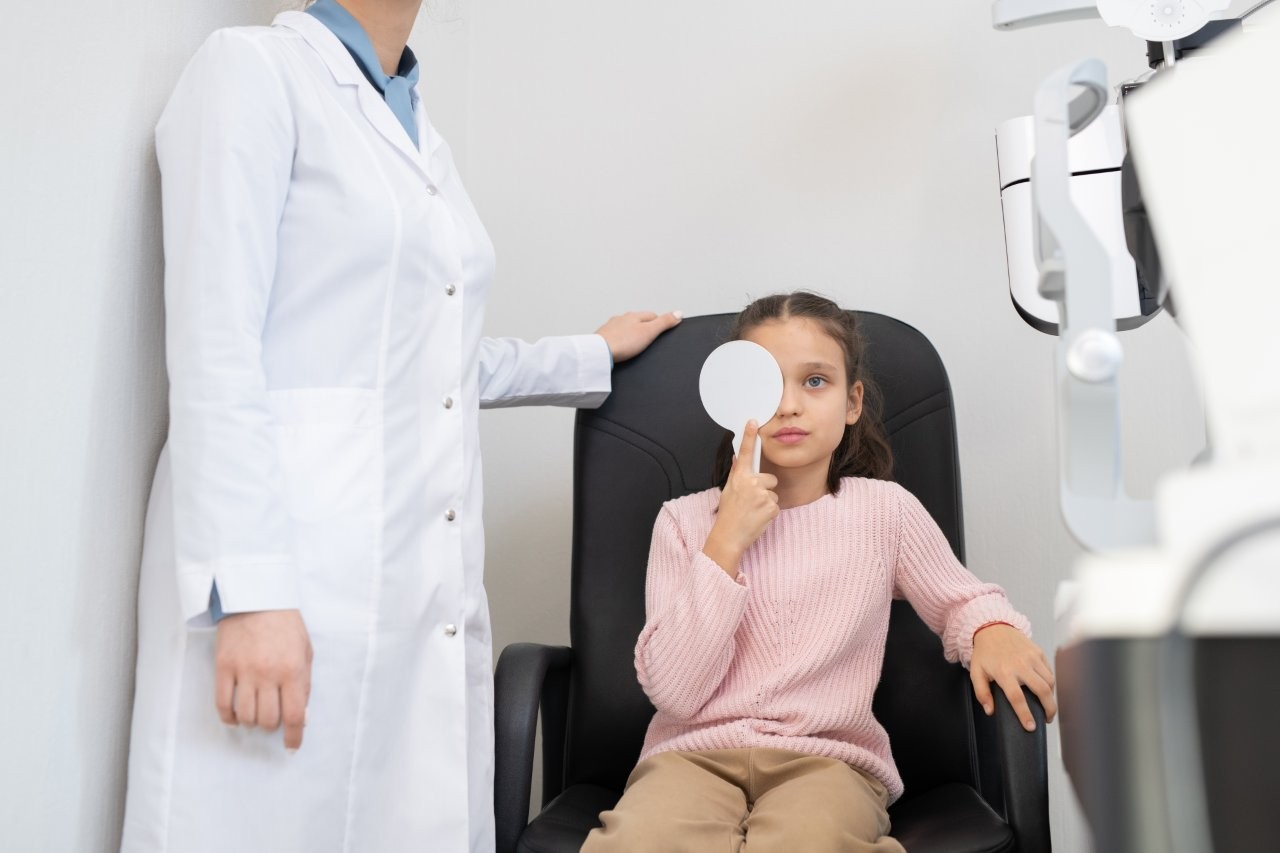
Myopia in Children: Solutions and Treatments

Discover Avvero’s initiative for managing childhood myopia, together with Myolino.
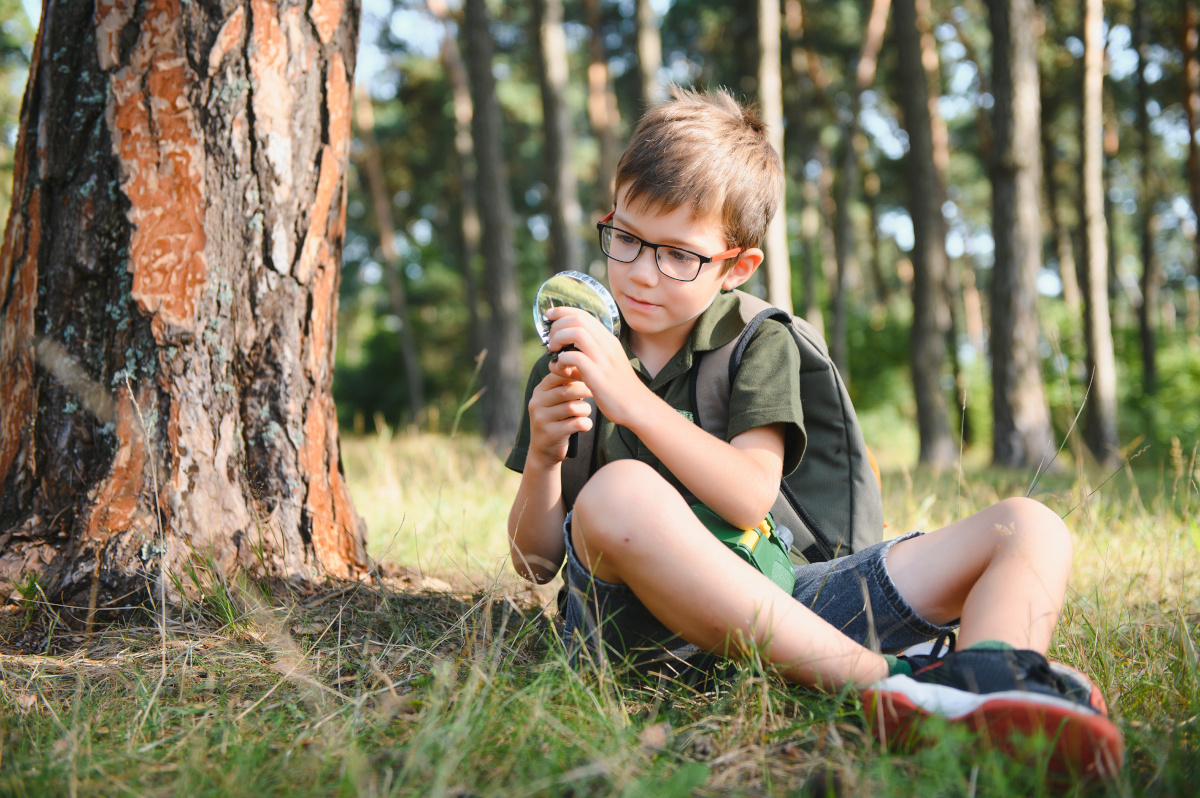
Myopia in children: symptoms, prevention, and natural treatments
Myopia can appear even at an early age, sometimes as young as 3 years old, and the first signs are often noticed by parents. Although there are no natural remedies that can cure myopia, healthy habits — a balanced diet, time spent outdoors, and limited screen use — can support medical treatment. With regular eye check-ups and active parental involvement, a child’s vision can be protected in the long term.
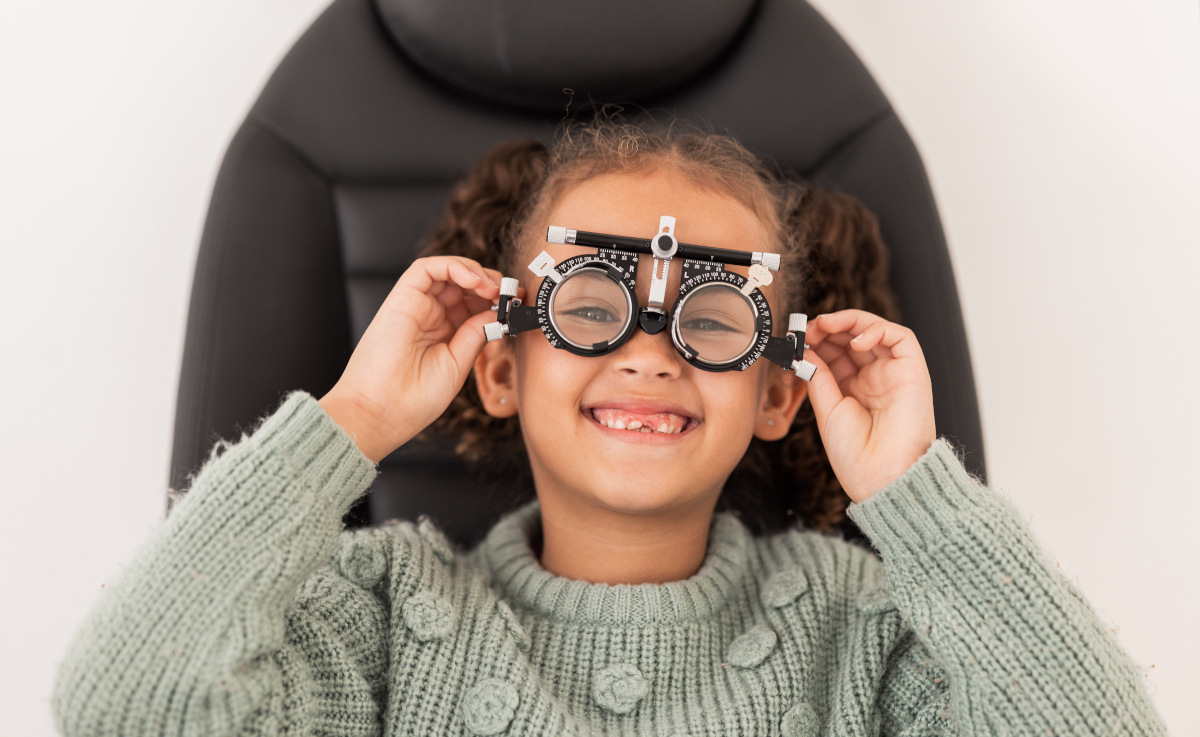
High myopia in children: what solutions exist and which lenses help
When a child has high myopia, modern solutions are needed to provide clarity and slow the progression of the condition. Special lenses for myopia control, such as MyoLess, can reduce the increase in diopters and protect vision in the long term. With regular medical monitoring and healthy daily habits, the child can maintain healthy eyes and stable vision over time.
Treatment for myopia in children: safe and effective options
More and more parents are looking for modern solutions to correct their children’s myopia, and today’s treatments offer safe and effective options. Special glasses, contact lenses, or atropine treatments can be tailored to each child, depending on age and the degree of myopia. With proper medical supervision and healthy daily habits, vision can remain clear and stable in the long term.

Correcting myopia in children: safe methods and how to choose
At the age when a child is diagnosed with myopia, the natural question for parents is: “How can we correct their vision and stop the problem from progressing?” Correction doesn’t mean a cure, but rather methods that provide clear sight now and slow down long-term progression. Special glasses, contact lenses, atropine treatments, or overnight lenses — all can be adapted to the child’s age and lifestyle. With the doctor’s guidance and the parents’ daily involvement, a child’s vision can be protected for years to come.
Myopia in 7-year-old children: how to recognize the signs and solutions
At the age of 7, some children start to see poorly at a distance, and parents may notice that they sit too close to the board or the screen. Early-onset myopia can progress quickly, but the good news is that there are effective solutions — special glasses, safe treatments, and healthy daily habits. With the help of doctors and parents, a child’s vision can be protected in the long term.

About childhood myopia: how to recognize it and what you can do
More and more children are being diagnosed with myopia, and parents wonder what they can do to keep it under control. Myopia doesn’t disappear with age, but its progression can be slowed through modern methods and healthy habits. With the right information and regular checkups, parents can help their child see clearly and enjoy healthy development.