


Correcting myopia in children: safe methods and how to choose
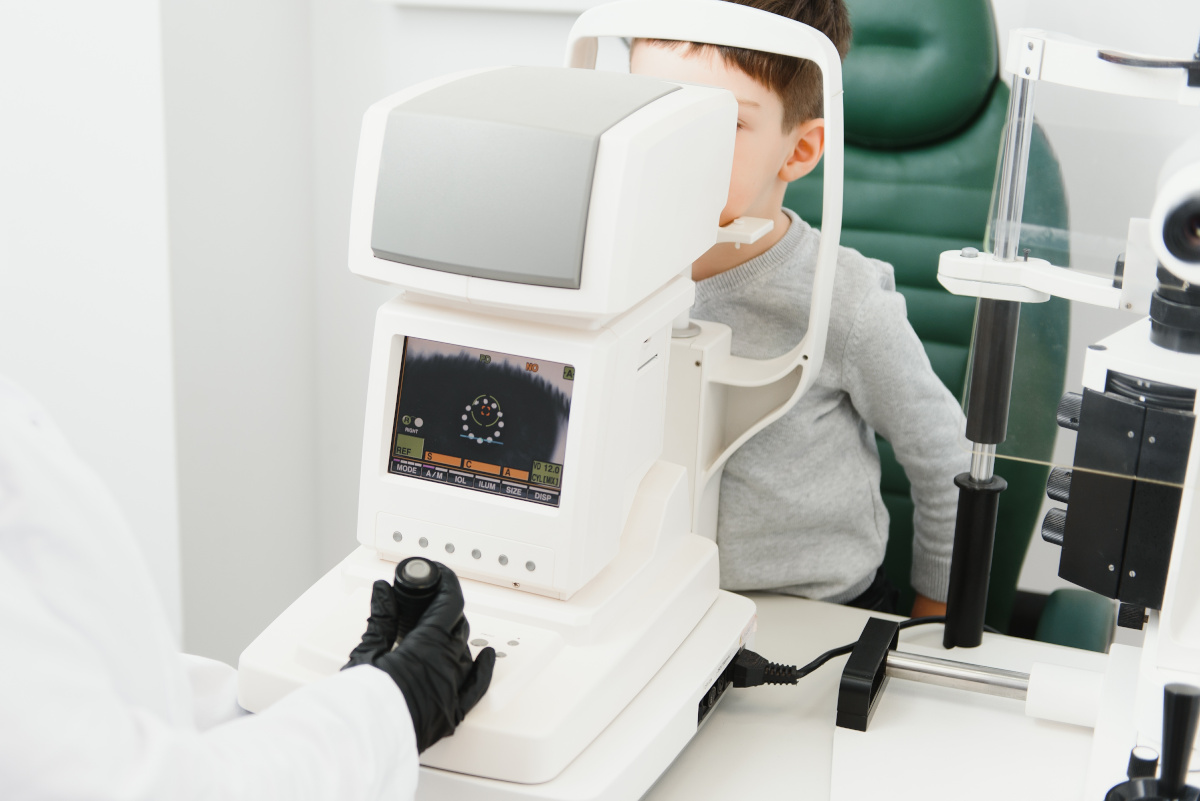
When your child receives a diagnosis of myopia, the first question that comes to mind is: “How can we fix this problem?” Correcting myopia doesn’t mean curing it, but finding solutions that give your child clear vision today while slowing down its progression in the long run. Choosing the right option, together with the ophthalmologist, can make a big difference in how the condition develops.
What correcting myopia in children means
Correcting myopia in children has two main goals: on the one hand, providing clear vision for daily activities, and on the other hand, reducing the risk of diopters increasing too quickly. The term “myopia correction in children” includes several methods, adapted to age, level of responsibility, and severity of myopia.
Available methods for correction
Today, parents can work with their child’s doctor to choose among several solutions. Some of the most common methods for correcting and controlling myopia are:
- Regular glasses – provide clear vision, but do not slow down the progression of myopia.
- Special myopia control glasses – with innovative designs, such as MyoLess, that help slow down the increase in diopters.
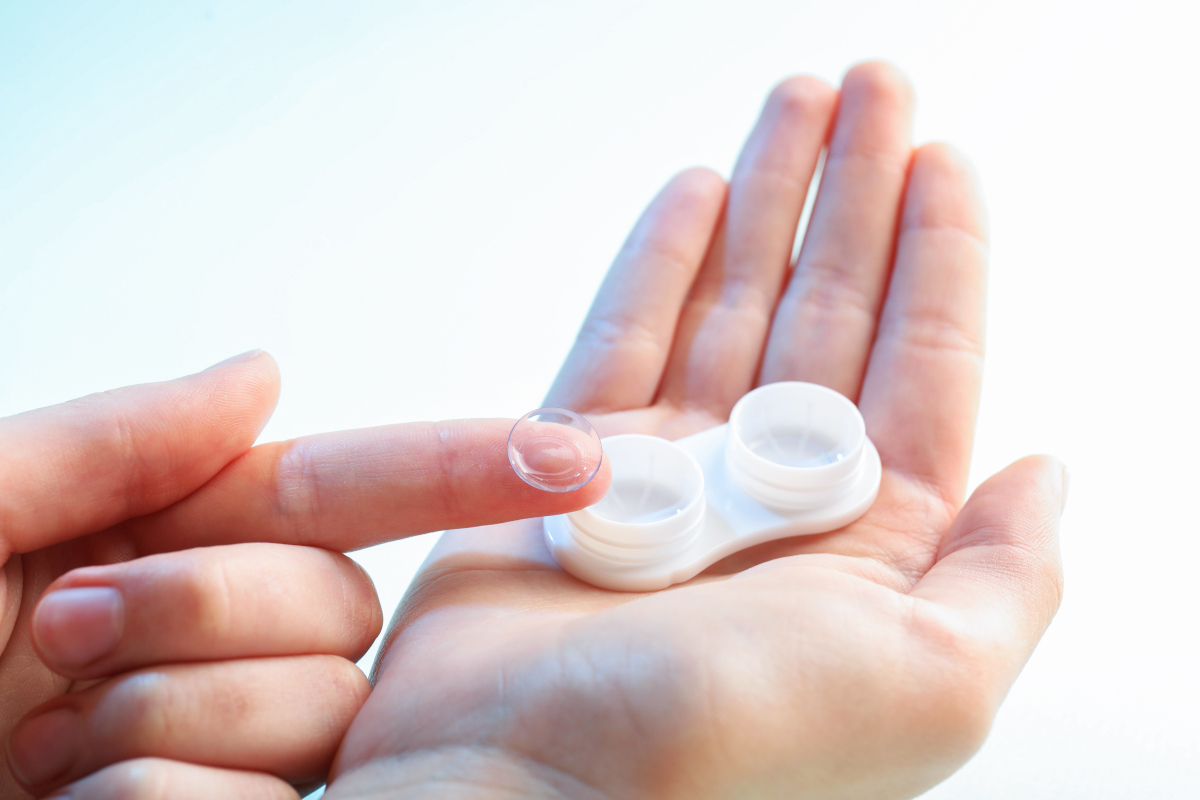
- Special contact lenses – recommended for older, more responsible children, with careful parental supervision.
- Low-dose atropine drops – prescribed only by a doctor and administered under strict monitoring.
- Ortho-K (overnight lenses) – temporarily correct vision and may slow down progression, but require discipline and strict hygiene.
How to make the right choice
No method is universal. The right option depends on several factors: your child’s age, the degree of myopia, how fast it progresses, their level of responsibility, and lifestyle. A 7-year-old may be better suited for special glasses, while a 12-year-old could manage contact lenses. The ophthalmologist tailors the recommendation, but parents play the key role in applying it day by day.
The parents’ role in correcting myopia
Effective correction goes beyond just picking a pair of glasses. As a parent, you have an active role:
- encourage your child to wear the recommended correction daily
- attend regular check-ups (every 6–12 months)
- support healthy habits such as spending time outdoors, taking breaks from near work, and ensuring good lighting while studying
These simple steps make the treatment more effective and lasting.
FAQ
Does correcting myopia stop its progression?
No, but it can slow it down and reduce long-term risks.
Are special lenses mandatory?
No, but they bring additional benefits compared to regular correction.
How early should correction begin?
The sooner, the better – delaying correction leaves time for myopia to progress.
Choose wisely and protect your child’s vision
Correcting myopia in children is not just about clear vision today, but about protecting their eyes for the future. With the right method and parental involvement, your child has real chances to maintain healthy vision for many years, into adulthood.
Childhood myopia: Tips and innovations from Avvero

Myopia in children: what it is, why it appears, and how to manage it properly

Understanding the Causes of Myopia in Children
Myopia in Children: Solutions and Treatments

Discover Avvero’s initiative for managing childhood myopia, together with Myolino.
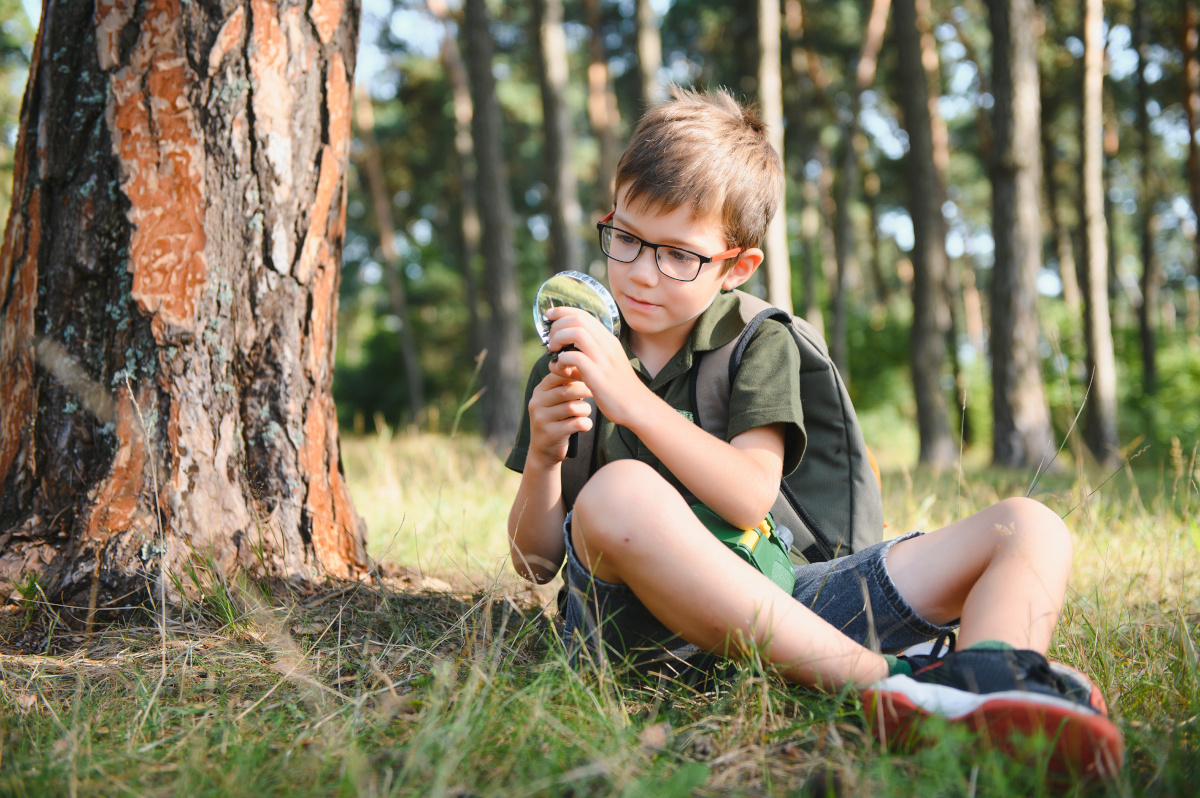
Myopia in children: symptoms, prevention, and natural treatments
Myopia can appear even at an early age, sometimes as young as 3 years old, and the first signs are often noticed by parents. Although there are no natural remedies that can cure myopia, healthy habits — a balanced diet, time spent outdoors, and limited screen use — can support medical treatment. With regular eye check-ups and active parental involvement, a child’s vision can be protected in the long term.
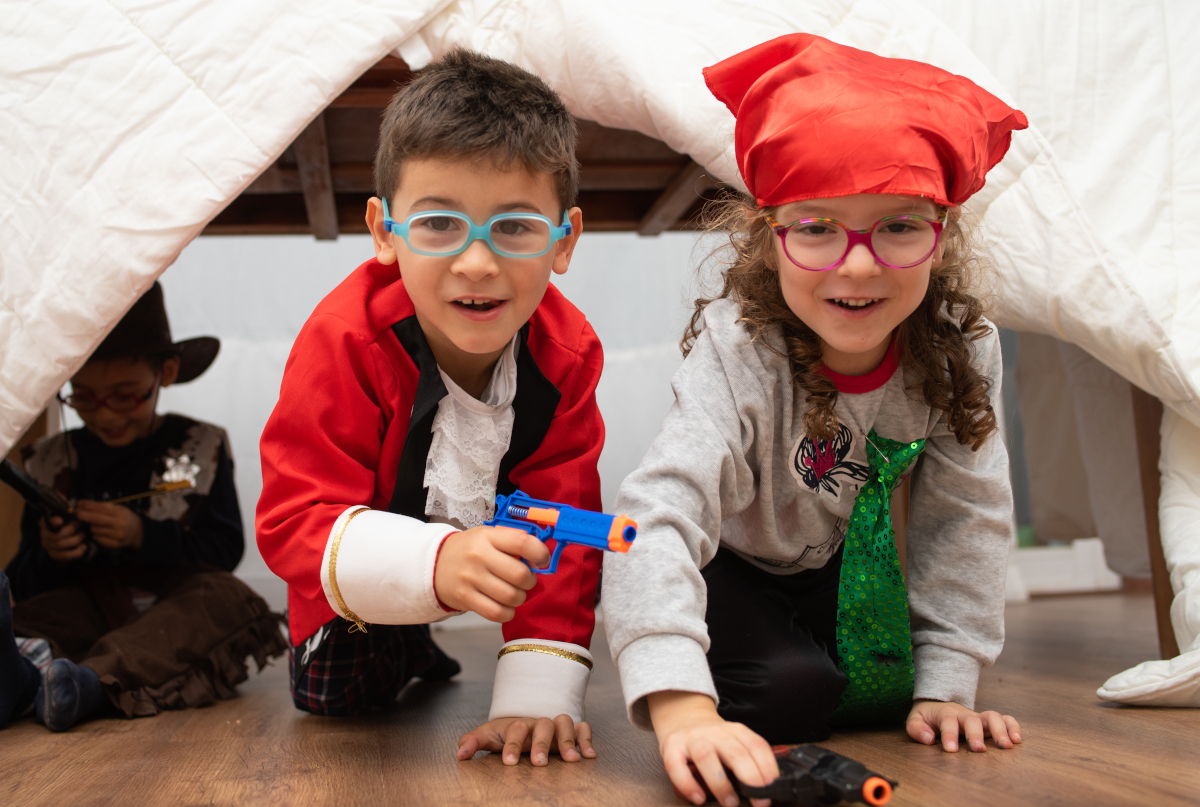
Special lenses for children: what innovative options exist and how to choose wisely
Special lenses for children with myopia provide not only clear vision but also long-term protection. With innovative designs such as MyoLess, they can slow the progression of myopia and reduce eye strain. Adapted to the child’s age and lifestyle, they combine everyday comfort with real, lasting benefits for eye health.
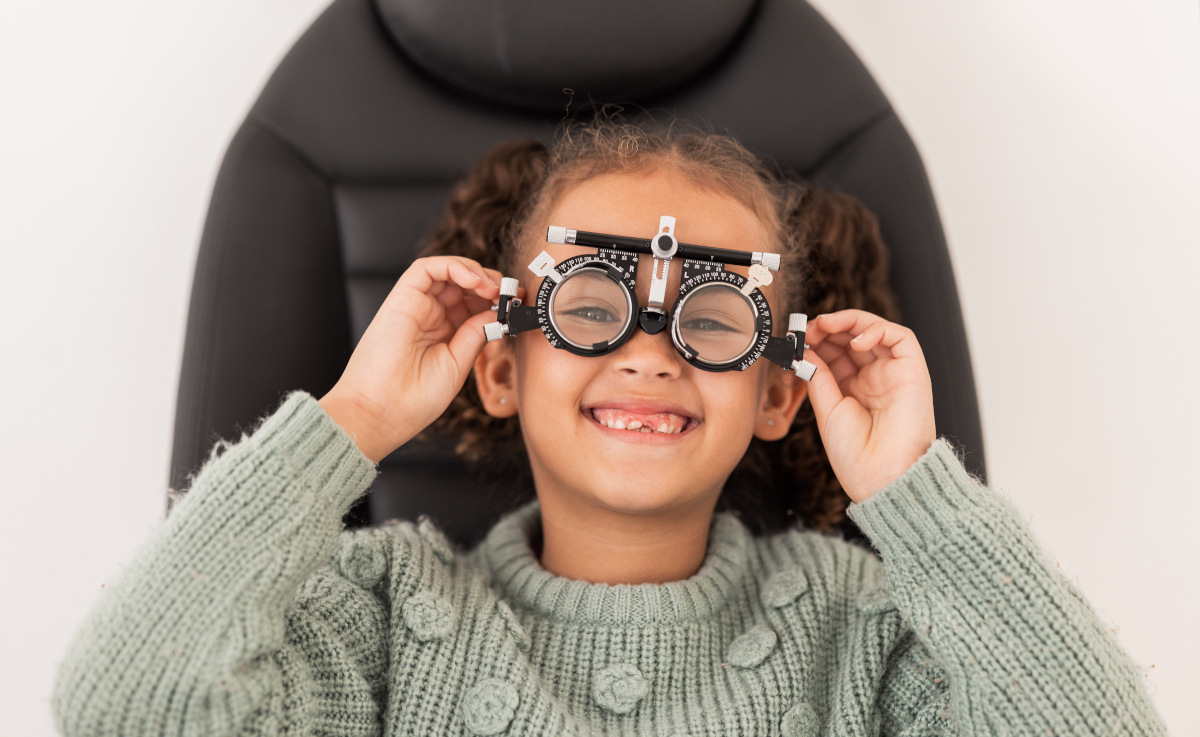
High myopia in children: what solutions exist and which lenses help
When a child has high myopia, modern solutions are needed to provide clarity and slow the progression of the condition. Special lenses for myopia control, such as MyoLess, can reduce the increase in diopters and protect vision in the long term. With regular medical monitoring and healthy daily habits, the child can maintain healthy eyes and stable vision over time.
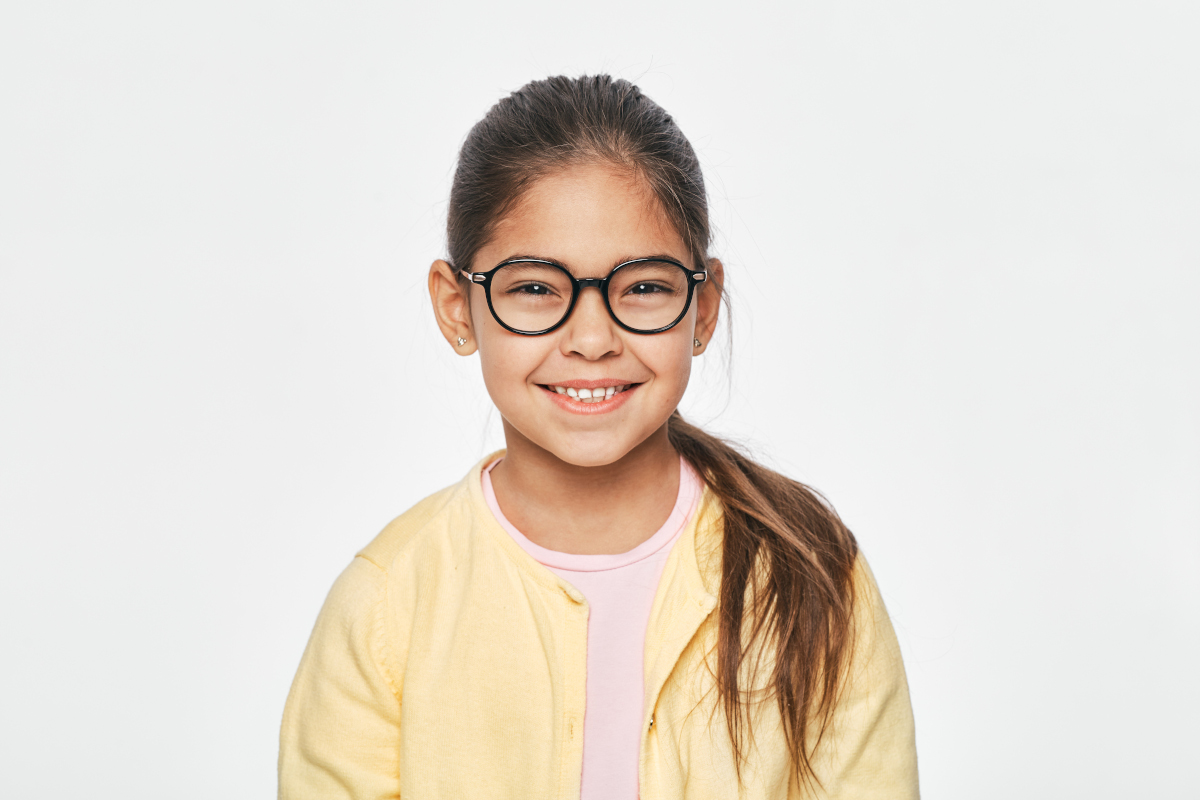
Treatment for myopia in children: safe and effective options
More and more parents are looking for modern solutions to correct their children’s myopia, and today’s treatments offer safe and effective options. Special glasses, contact lenses, or atropine treatments can be tailored to each child, depending on age and the degree of myopia. With proper medical supervision and healthy daily habits, vision can remain clear and stable in the long term.
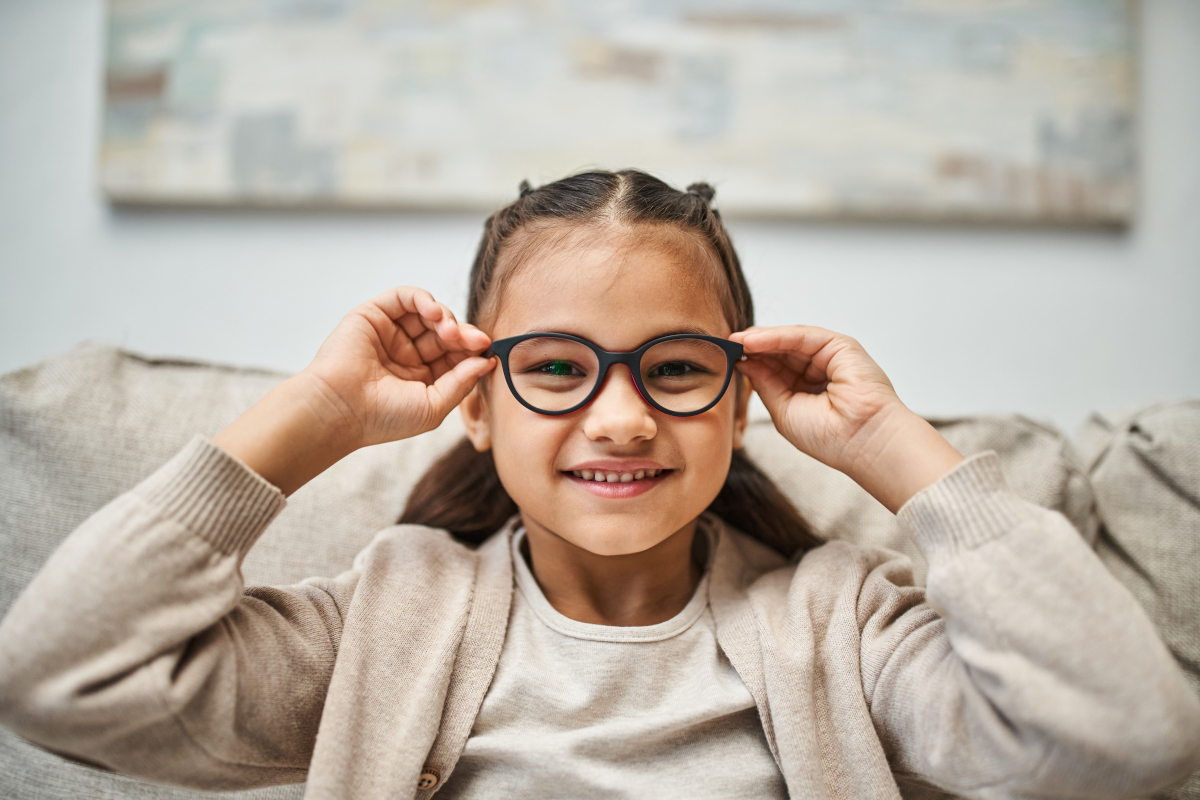
Myopia in 7-year-old children: how to recognize the signs and solutions
At the age of 7, some children start to see poorly at a distance, and parents may notice that they sit too close to the board or the screen. Early-onset myopia can progress quickly, but the good news is that there are effective solutions — special glasses, safe treatments, and healthy daily habits. With the help of doctors and parents, a child’s vision can be protected in the long term.

About childhood myopia: how to recognize it and what you can do
More and more children are being diagnosed with myopia, and parents wonder what they can do to keep it under control. Myopia doesn’t disappear with age, but its progression can be slowed through modern methods and healthy habits. With the right information and regular checkups, parents can help their child see clearly and enjoy healthy development.