


Childhood Myopia:
Causes You Should Know
Causes of myopia in children and how you can reduce the risk

Childhood myopia has several causes. Genetics play a role, but so does lifestyle: many hours spent on near work, too much screen time, and not enough time outdoors. The good news is that you can reduce some of these risks with simple measures, right at home.

When we talk about the causes of myopia in children, specialists say there are two main categories: genetic causes, which we cannot change, and environmental causes, which parents can influence through daily habits and lifestyle choices.
Genetic inheritance
If one or both parents are myopic, the child has a higher chance of developing myopia as well. This factor cannot be changed, but knowing the risk helps with early monitoring.
The most common causes of myopia in children
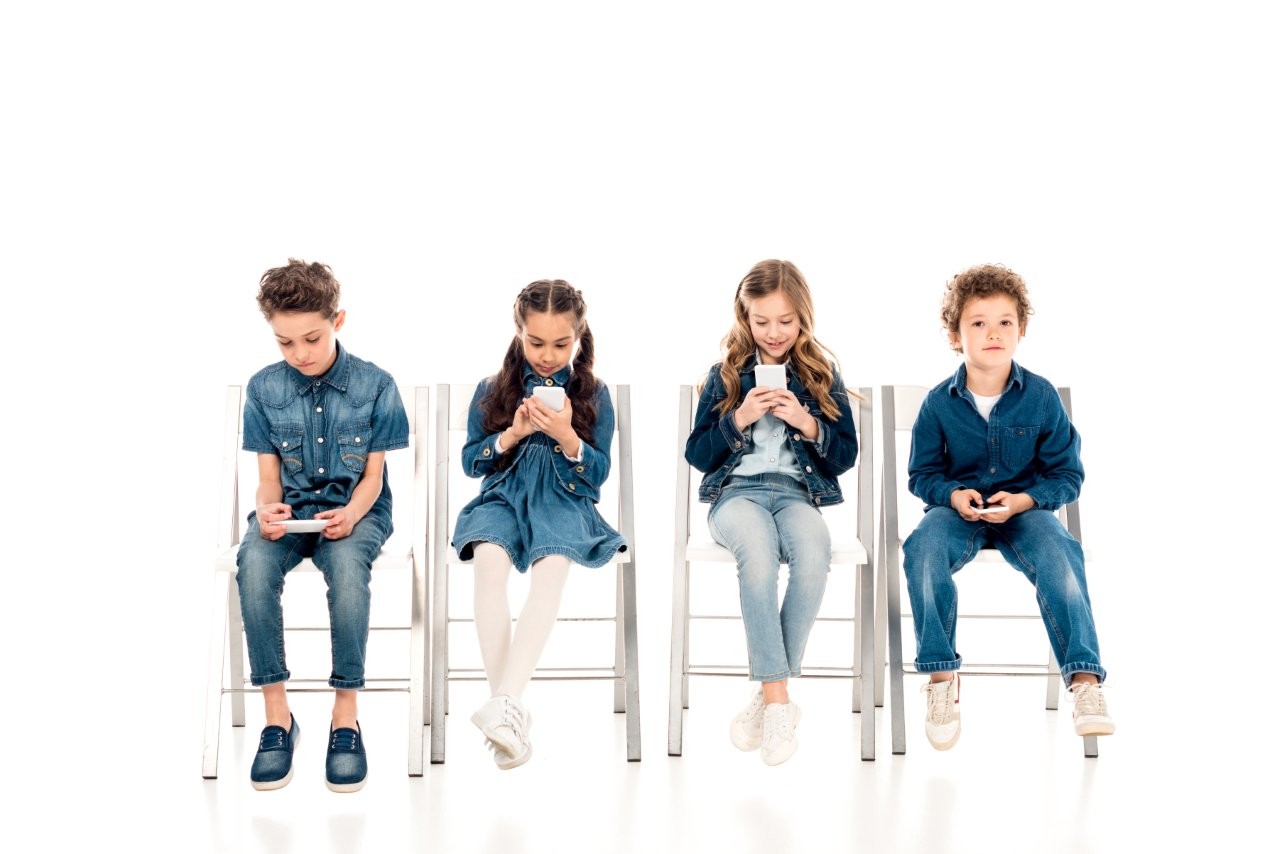
Time spent on near work and screens
When a child spends many hours reading, writing, or using tablets and phones, the eyes work intensively at close distances. Studies show that long hours of “near work” increase the risk of myopia.
Too little time outdoors
Research shows that every hour spent outside significantly reduces the risk of myopia, by about 2%. The ideal goal: at least two hours per day.
Other factors discussed by specialists
“Urban environments, heavy school workloads, and long hours at a desk without regular breaks can also contribute. Although they are not the only causes, the combination of ‘too much near work + too little time outdoors’ remains the most important.”
How to reduce your child’s risk of myopia
You can’t change genes, but you can influence daily habits:
- Encourage play and sports outdoors, at least two hours a day
- Limit phone and tablet use, especially in the evening
- Help your child take regular breaks from homework and screens
- Maintain proper distance for reading and monitor use
- Ensure good lighting for desk activities
- Schedule regular eye exams, especially if there is a family history of myopia
Recent research has shown another important point: younger children tend to have faster myopia progression. That’s why it is essential to schedule an eye exam as early as possible and to discuss modern correction options with your doctor. These can slow progression and protect long-term eye health.
Myths about the causes of myopia
“Only phones cause myopia.” – False
Extended near work, whether reading or screens, matters.
“If the parents don’t have myopia, the child cannot have myopia” – False
Myopia can appear even without direct inheritance, although the risk is lower.
FAQ
Can sports prevent myopia?
Physical activity helps, especially since it takes place outdoors, but it does not guarantee complete prevention.
If my child starts wearing glasses early, will it make myopia worse?
No. Glasses correct vision; they do not accelerate myopia progression.
What is more important: reducing screen time or increasing outdoor time?
Both matter, but studies show that outdoor time has the strongest protective effect.
Today’s habits protect your child’s eyes
The causes of childhood myopia are multiple, but many of them can be influenced. Genes cannot be changed, but daily habits can. Encourage your child to spend more time outdoors, limit near work, and schedule regular check-ups. This way, you can reduce the risk and better manage the progression of myopia.
Childhood myopia: Tips and innovations from Avvero

Myopia in children: what it is, why it appears, and how to manage it properly
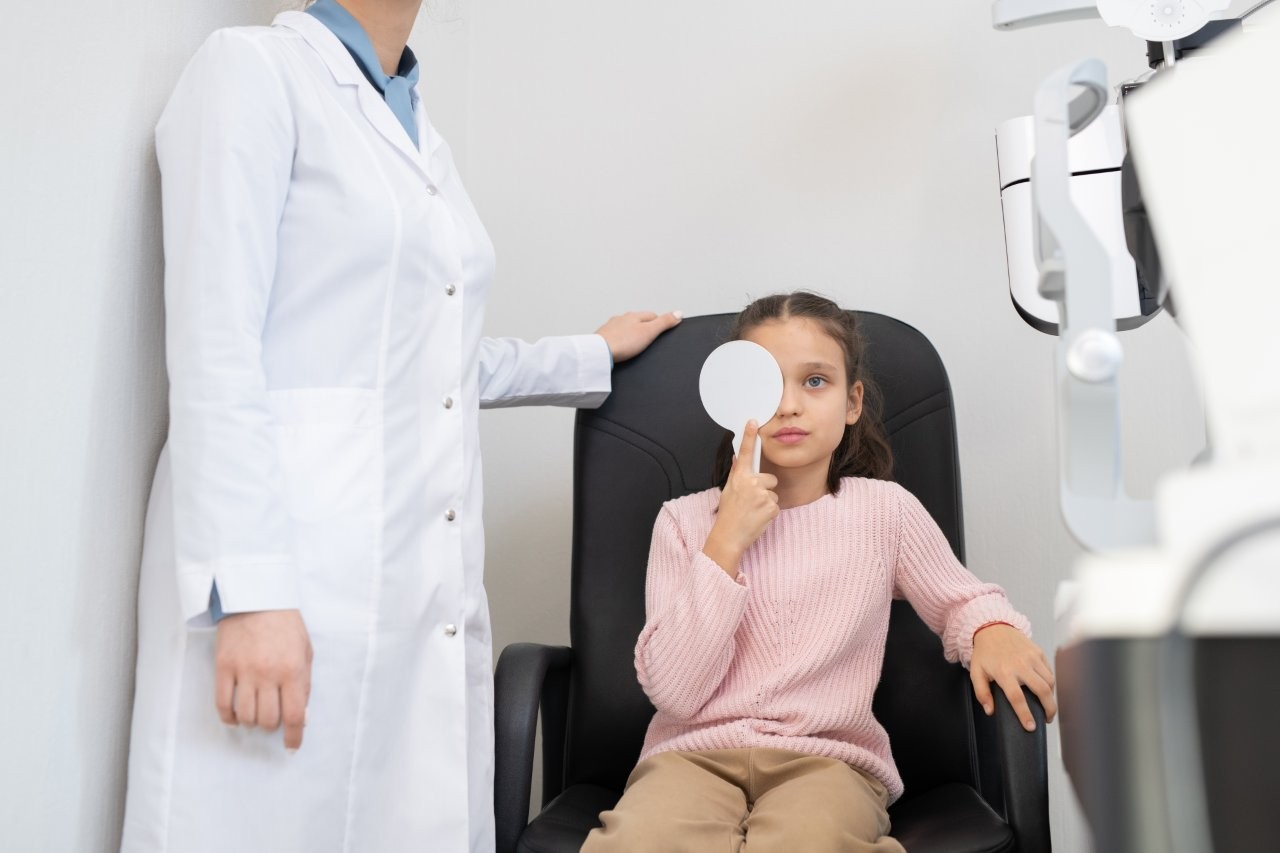
Myopia in Children: Solutions and Treatments

Discover Avvero’s initiative for managing childhood myopia, together with Myolino.

Myopia in children: symptoms, prevention, and natural treatments
Myopia can appear even at an early age, sometimes as young as 3 years old, and the first signs are often noticed by parents. Although there are no natural remedies that can cure myopia, healthy habits — a balanced diet, time spent outdoors, and limited screen use — can support medical treatment. With regular eye check-ups and active parental involvement, a child’s vision can be protected in the long term.

Special lenses for children: what innovative options exist and how to choose wisely
Special lenses for children with myopia provide not only clear vision but also long-term protection. With innovative designs such as MyoLess, they can slow the progression of myopia and reduce eye strain. Adapted to the child’s age and lifestyle, they combine everyday comfort with real, lasting benefits for eye health.
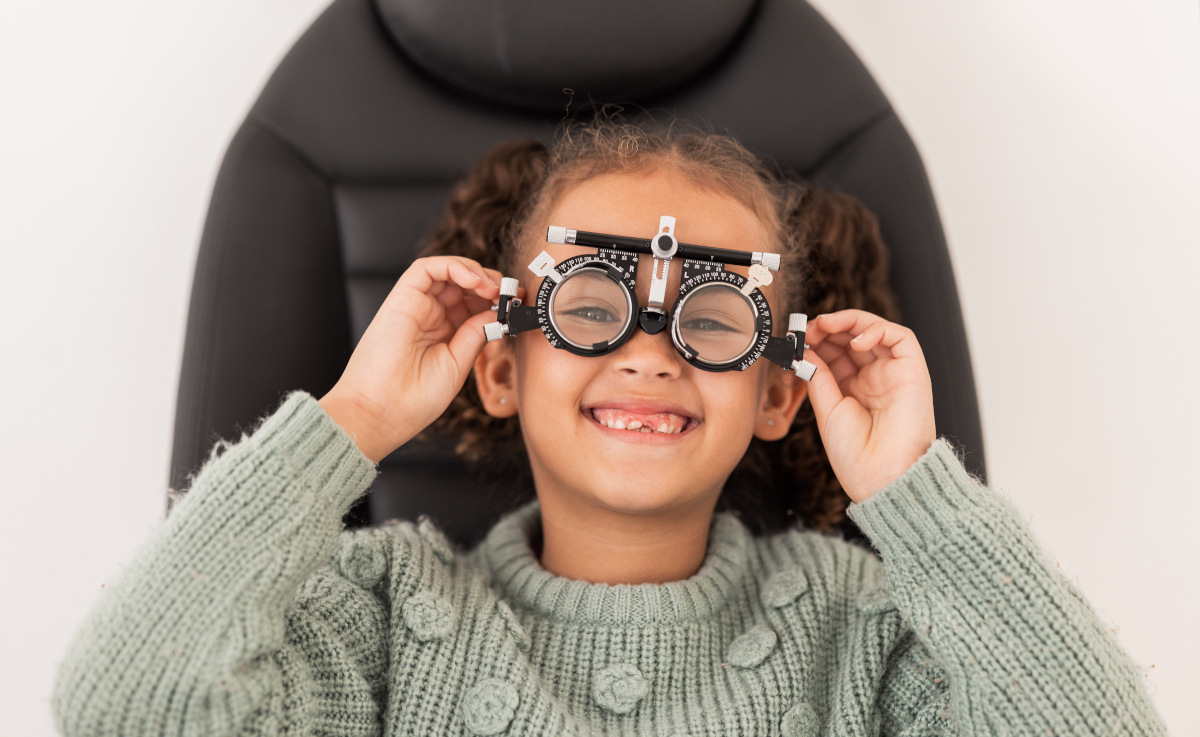
High myopia in children: what solutions exist and which lenses help
When a child has high myopia, modern solutions are needed to provide clarity and slow the progression of the condition. Special lenses for myopia control, such as MyoLess, can reduce the increase in diopters and protect vision in the long term. With regular medical monitoring and healthy daily habits, the child can maintain healthy eyes and stable vision over time.

Treatment for myopia in children: safe and effective options
More and more parents are looking for modern solutions to correct their children’s myopia, and today’s treatments offer safe and effective options. Special glasses, contact lenses, or atropine treatments can be tailored to each child, depending on age and the degree of myopia. With proper medical supervision and healthy daily habits, vision can remain clear and stable in the long term.

Correcting myopia in children: safe methods and how to choose
At the age when a child is diagnosed with myopia, the natural question for parents is: “How can we correct their vision and stop the problem from progressing?” Correction doesn’t mean a cure, but rather methods that provide clear sight now and slow down long-term progression. Special glasses, contact lenses, atropine treatments, or overnight lenses — all can be adapted to the child’s age and lifestyle. With the doctor’s guidance and the parents’ daily involvement, a child’s vision can be protected for years to come.

Myopia in 7-year-old children: how to recognize the signs and solutions
At the age of 7, some children start to see poorly at a distance, and parents may notice that they sit too close to the board or the screen. Early-onset myopia can progress quickly, but the good news is that there are effective solutions — special glasses, safe treatments, and healthy daily habits. With the help of doctors and parents, a child’s vision can be protected in the long term.