


Glasses for childhood myopia: how to choose correctly and what options exist
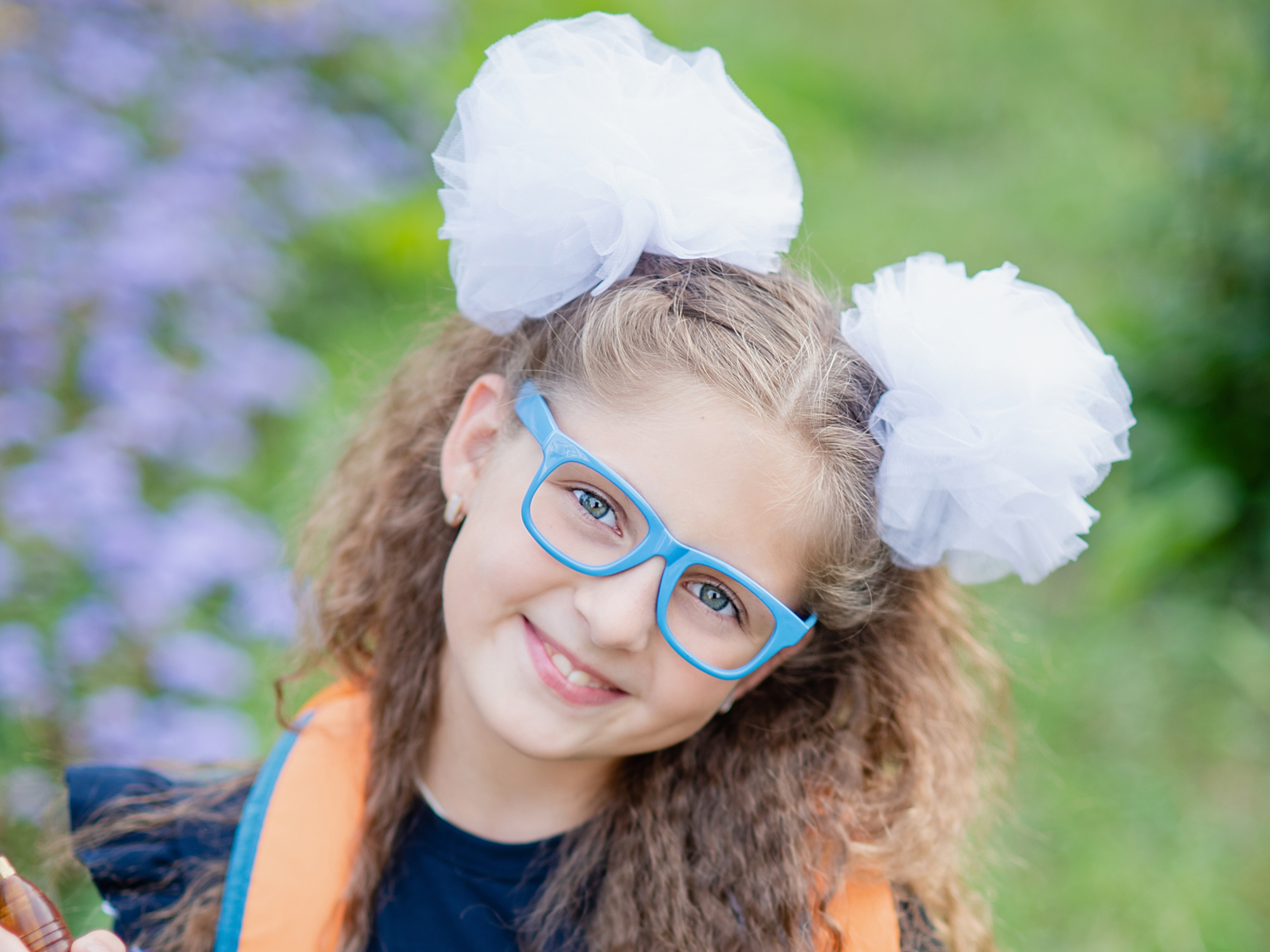
When a child is diagnosed with myopia, glasses are the first step. But “any pair of glasses” does not necessarily mean good vision and comfort. For myopia, the type of lenses, how they are centered, and how well the frame fits on the child’s face all make a big difference.
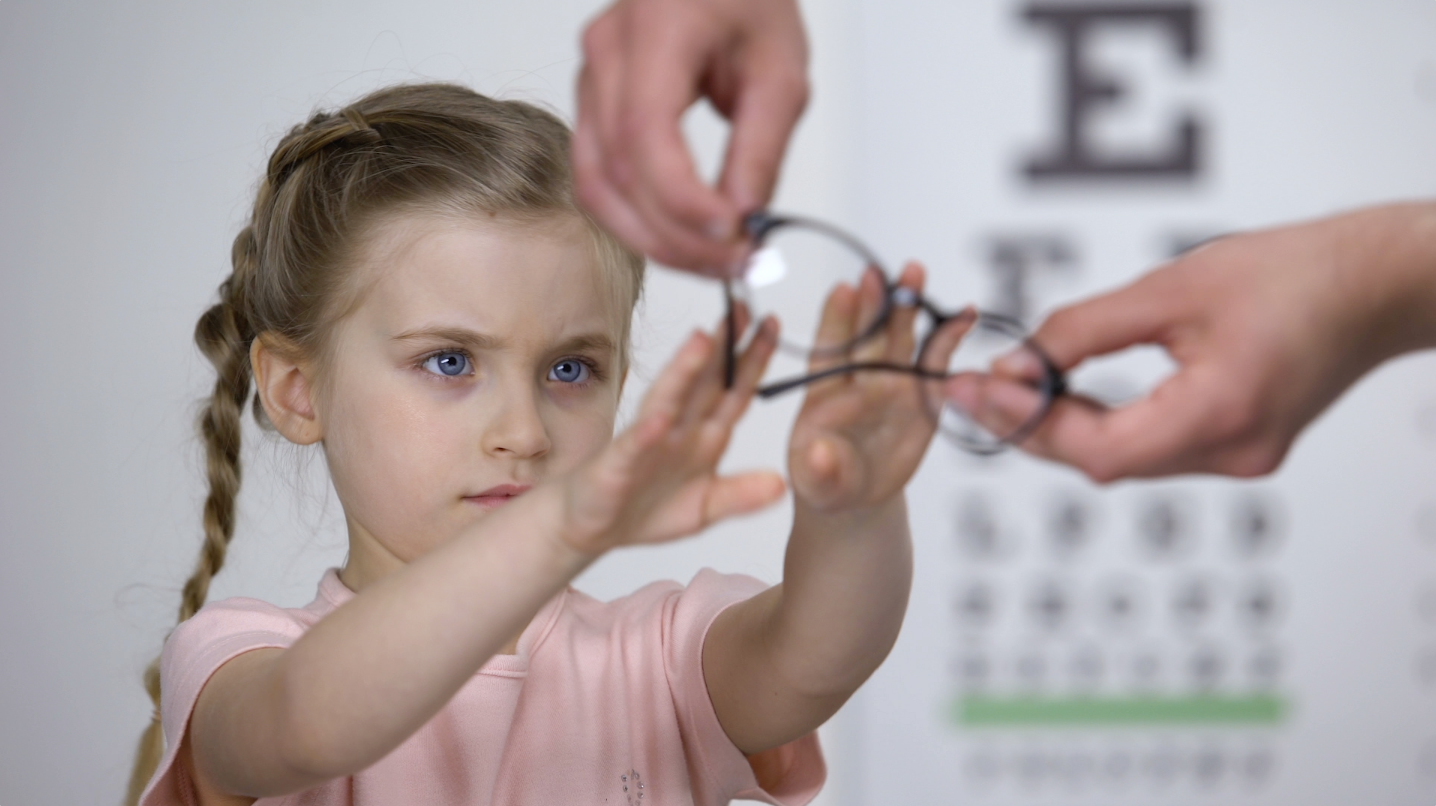
Why special glasses for myopia and not “any pair”
Myopia involves minus prescriptions and blurred distance vision. The right glasses restore clarity, reduce eye strain, and help the child at school and in sports. The difference comes from choosing the correct lenses and ensuring a proper fit on the face.
Centering and fitting: details that matter in myopia
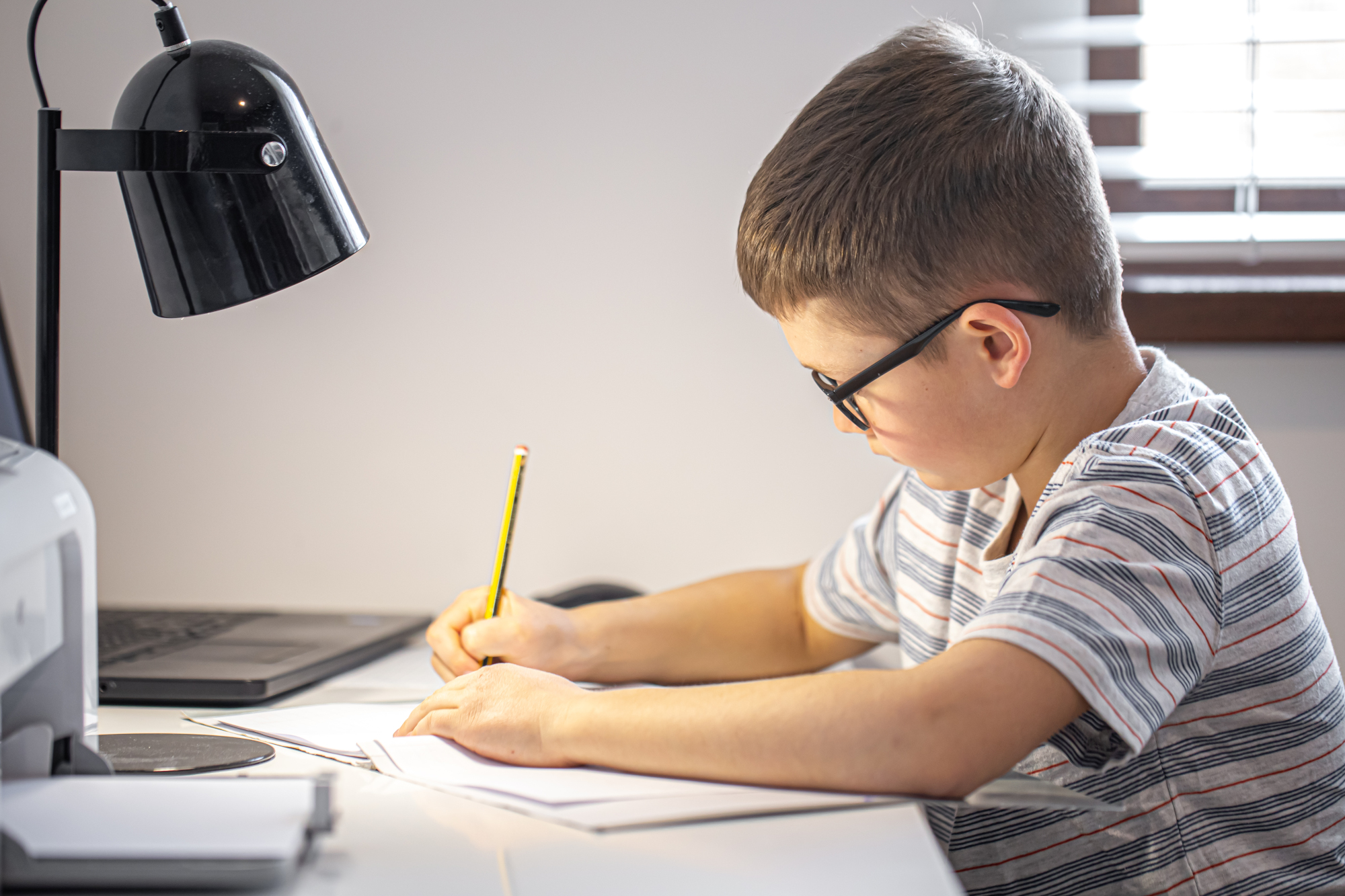
For lenses to work correctly, they must be centered on the pupil (pupillary distance/PD and fitting height). The frame must sit stably on the nose without slipping. With myopia, incorrect centering can reduce clarity and cause eye strain. Always ask for careful measurements.
How to read a myopia prescription
On the prescription, myopia appears with a minus sign “–”. You may also see “cylinder” and “axis” if astigmatism is present. Higher values mean stronger myopia. Don’t worry about the numbers; what matters most is that the prescription is correct and updated on time.
Types of lenses for myopia glasses
When a child needs vision correction, there are two main directions:
- Regular glasses – provide clear vision but do not slow down myopia progression
- Special glasses for myopia control – use modern technologies (such as defocus zone lenses) that can slow progression over time
In addition, lenses can have extra features that provide comfort and protection:
- Thinned lenses – lighter and more aesthetic for higher prescriptions
- Anti-reflective coating – less eye strain and sharper clarity, especially useful at school and with screens
- UV filter – protection against harmful solar radiation
Clarity or myopia control: how to decide
According to an international study involving more than 3,000 vision care specialists, regular single-vision glasses or contact lenses used only for correction are gradually being replaced by modern myopia management solutions. These methods not only correct vision but also help slow progression, which is why more experts believe they should become the new standard of care for children with myopia.
Common mistakes to avoid
Don’t delay changing glasses when signs show they are no longer suitable. Don’t choose oversized frames “to grow into” (too large frames slip and decenter the lenses). Don’t use old glasses as daily “spares.” And don’t forget: glasses correct vision, but they don’t replace breaks from near work or time outdoors.
Signs that glasses no longer fit properly
If your child squints, moves closer again to the board or TV, tilts their head to see more clearly, develops red marks on the nose or ears, or teachers report distance vision problems, it’s time to check the prescription and frame fitting.
Monitoring: how often to go for check-ups
In general, every 6–12 months. More often if myopia started early, if prescriptions are increasing quickly, or if your child is using myopia control lenses (at first, doctors may schedule more frequent visits for adjustments).
FAQ
Do glasses make myopia worse?
No. They only correct vision. Progression depends on age, genetics, and habits.
Are myopia control lenses worth it?
If prescriptions increase quickly or if the child is young, they’re worth discussing. They can slow progression, though effectiveness varies among children.
How important is the frame?
Very important. A stable and comfortable frame helps ensure correct centering and consistent wearing.
What if my child refuses to wear glasses?
Involve them in choosing the frame, explain the benefits, increase wearing time gradually, and praise them for consistency.
The right glasses: clear vision today, myopia under control tomorrow
Well-chosen glasses are not just about clear vision today. They bring comfort at school, boost confidence, and, along with healthy habits and regular check-ups, can help keep myopia under control in the long term.
Childhood myopia: Tips and innovations from Avvero

Myopia in children: what it is, why it appears, and how to manage it properly

Understanding the Causes of Myopia in Children
Myopia in Children: Solutions and Treatments

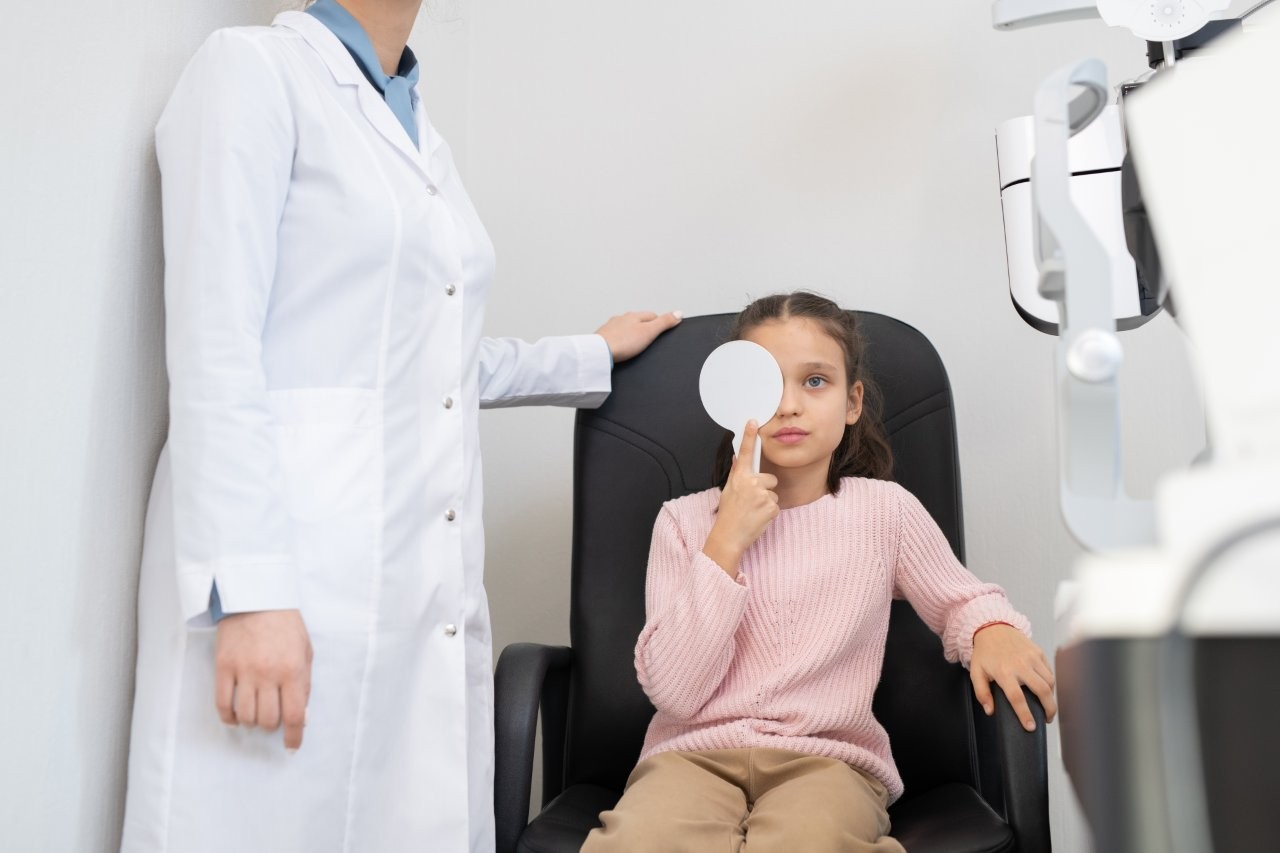
Discover Avvero’s initiative for managing childhood myopia, together with Myolino.
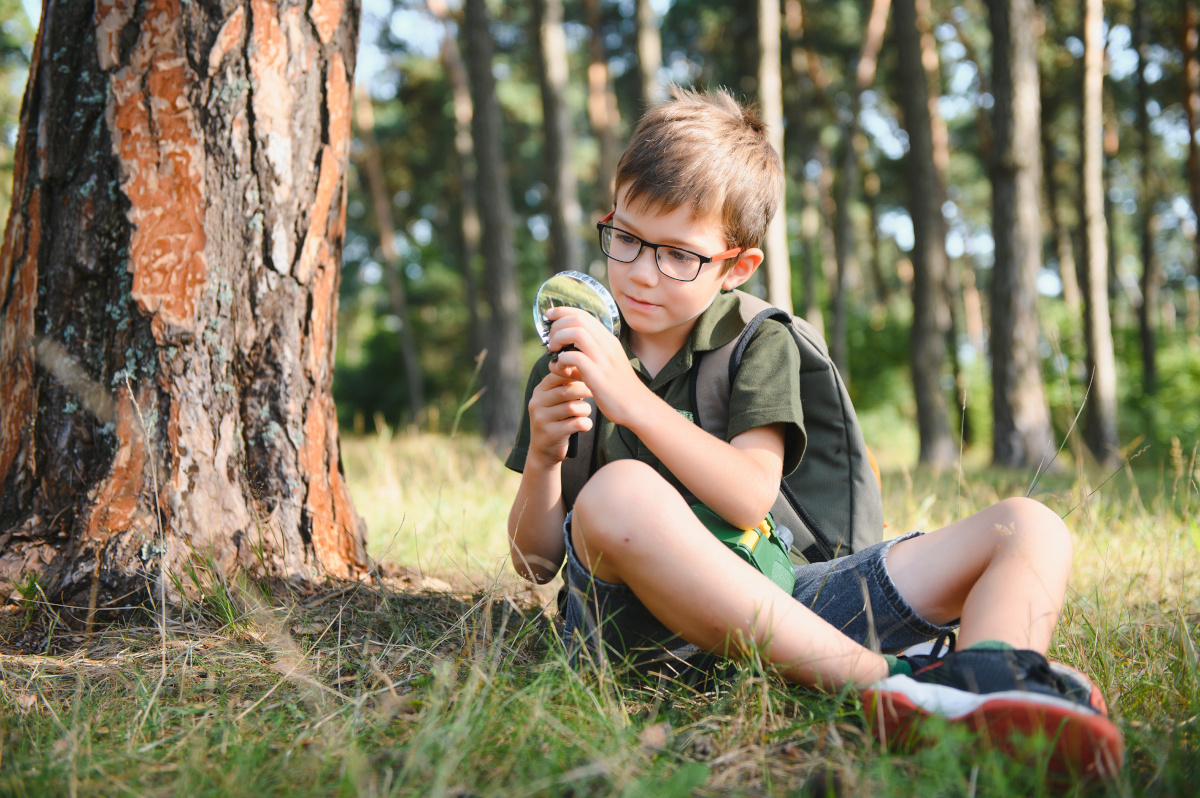
Myopia in children: symptoms, prevention, and natural treatments
Myopia can appear even at an early age, sometimes as young as 3 years old, and the first signs are often noticed by parents. Although there are no natural remedies that can cure myopia, healthy habits — a balanced diet, time spent outdoors, and limited screen use — can support medical treatment. With regular eye check-ups and active parental involvement, a child’s vision can be protected in the long term.
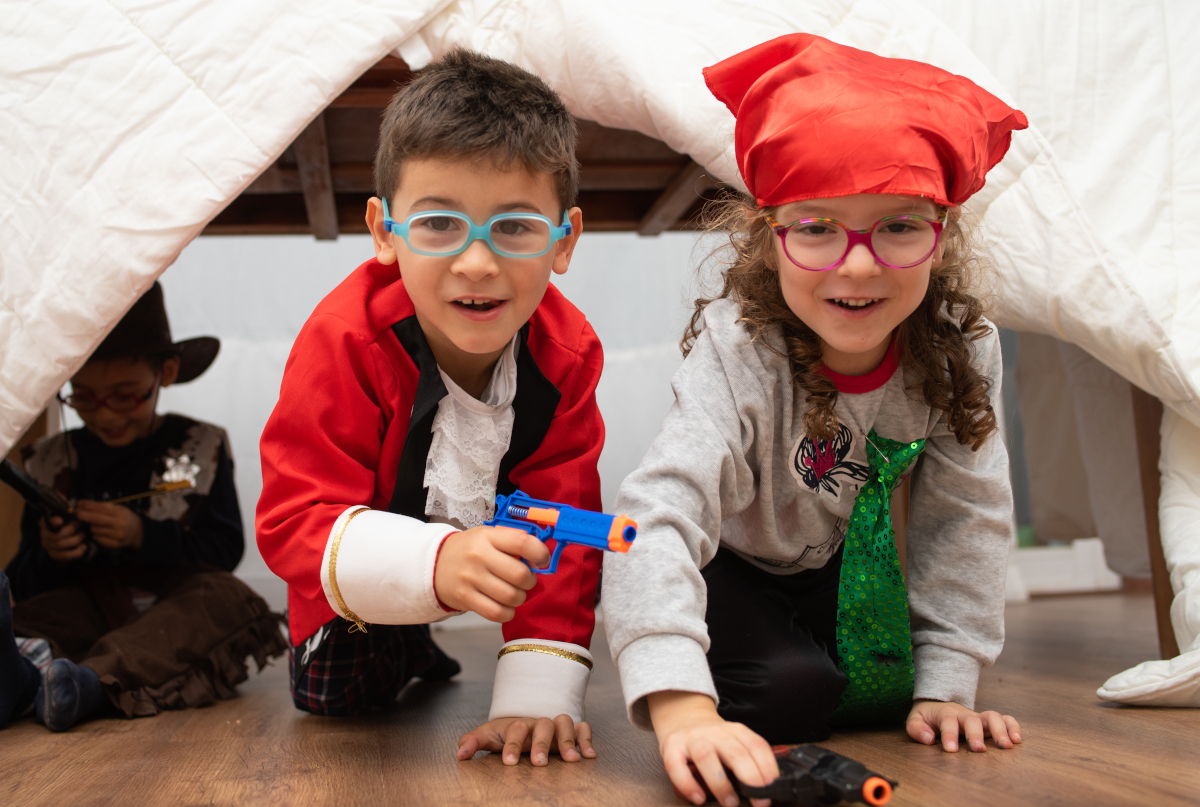
Special lenses for children: what innovative options exist and how to choose wisely
Special lenses for children with myopia provide not only clear vision but also long-term protection. With innovative designs such as MyoLess, they can slow the progression of myopia and reduce eye strain. Adapted to the child’s age and lifestyle, they combine everyday comfort with real, lasting benefits for eye health.
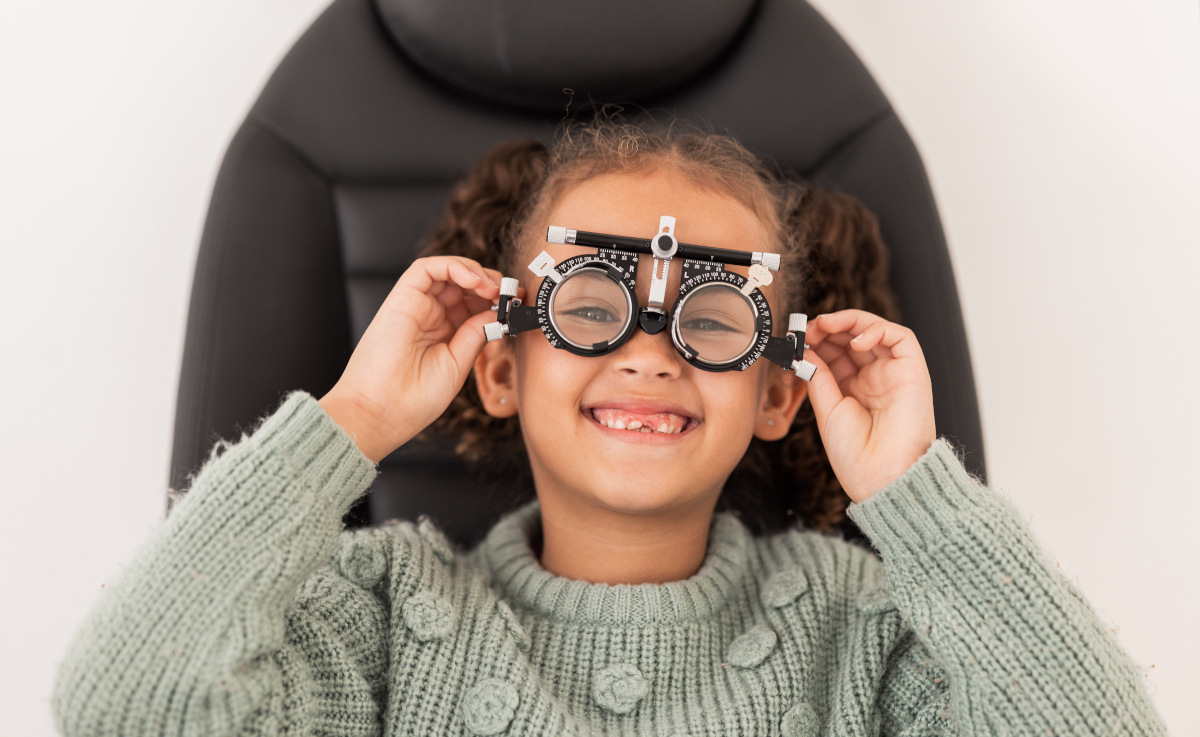
High myopia in children: what solutions exist and which lenses help
When a child has high myopia, modern solutions are needed to provide clarity and slow the progression of the condition. Special lenses for myopia control, such as MyoLess, can reduce the increase in diopters and protect vision in the long term. With regular medical monitoring and healthy daily habits, the child can maintain healthy eyes and stable vision over time.
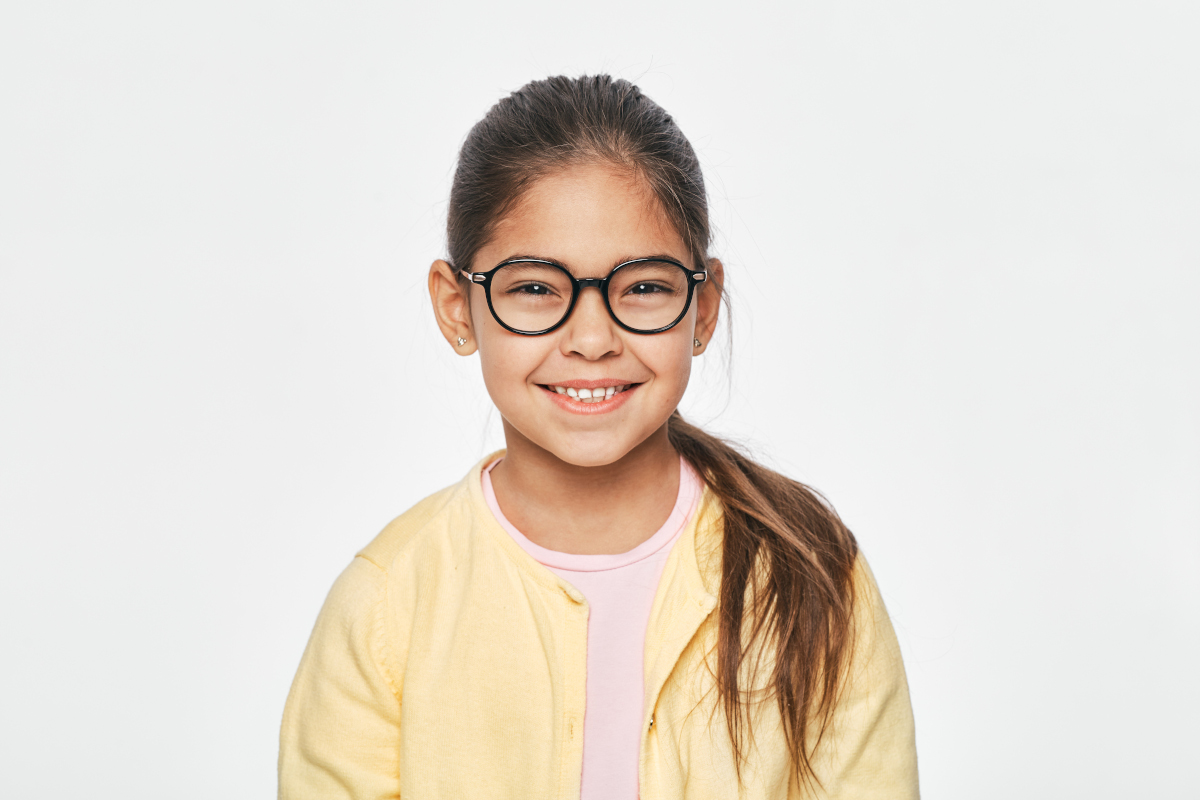
Treatment for myopia in children: safe and effective options
More and more parents are looking for modern solutions to correct their children’s myopia, and today’s treatments offer safe and effective options. Special glasses, contact lenses, or atropine treatments can be tailored to each child, depending on age and the degree of myopia. With proper medical supervision and healthy daily habits, vision can remain clear and stable in the long term.

Correcting myopia in children: safe methods and how to choose
At the age when a child is diagnosed with myopia, the natural question for parents is: “How can we correct their vision and stop the problem from progressing?” Correction doesn’t mean a cure, but rather methods that provide clear sight now and slow down long-term progression. Special glasses, contact lenses, atropine treatments, or overnight lenses — all can be adapted to the child’s age and lifestyle. With the doctor’s guidance and the parents’ daily involvement, a child’s vision can be protected for years to come.
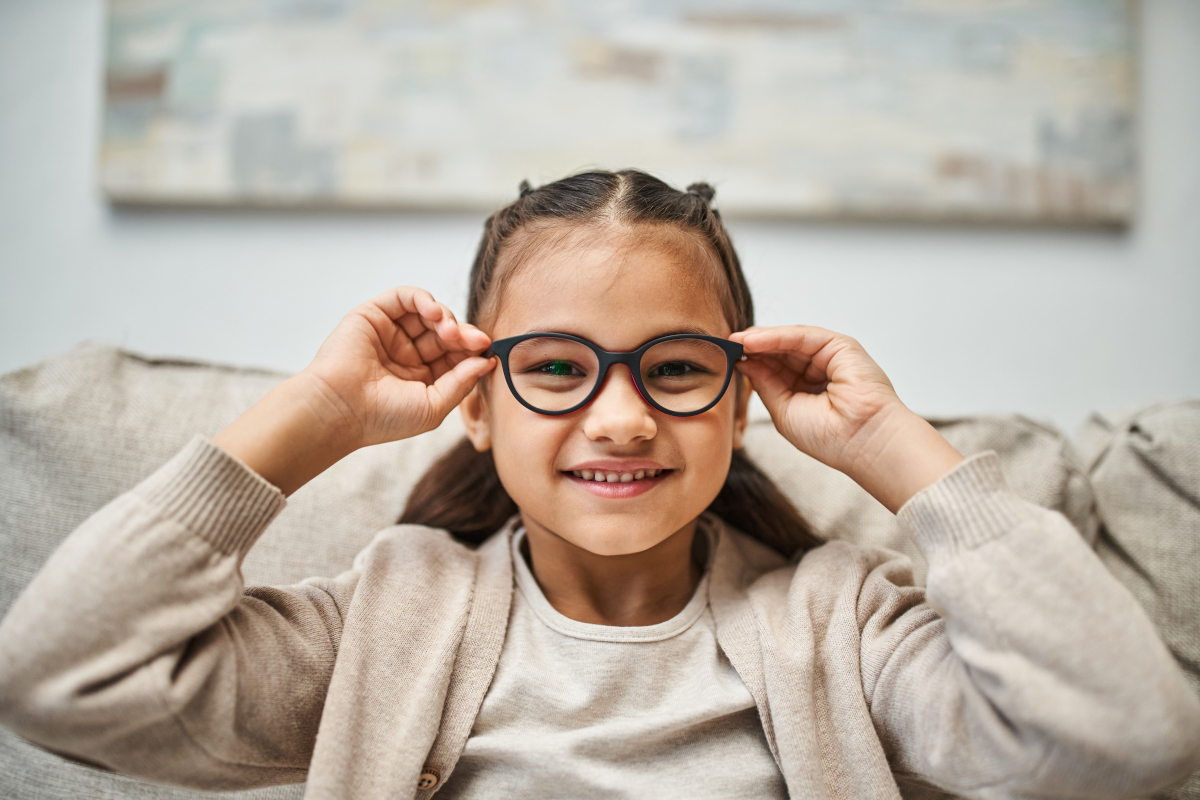
Myopia in 7-year-old children: how to recognize the signs and solutions
At the age of 7, some children start to see poorly at a distance, and parents may notice that they sit too close to the board or the screen. Early-onset myopia can progress quickly, but the good news is that there are effective solutions — special glasses, safe treatments, and healthy daily habits. With the help of doctors and parents, a child’s vision can be protected in the long term.