


Treatment for myopia in children: safe and effective options

When your child is diagnosed with myopia, questions immediately arise: “What treatments are available? Are they safe? Will they stop myopia?” Myopia cannot be cured, but it can be controlled. The right treatment slows its progression and reduces the risk of long-term complications, such as myopic maculopathy or retinal detachment. Making an informed choice, together with parental support, makes all the difference.

What treatment for myopia in children means
Treatment for myopia does not mean eliminating it completely, but combining several methods that:
- correct vision now, so the child can function normally at school and at home, and
- slow down the progression of myopia, to avoid stronger prescriptions and possible complications.
A treatment plan may include glasses, lenses, eye drops, but also changes in daily habits.
Validated treatment methods
Today, there are several specialist-recommended options, each with benefits and limitations:
- Regular glasses – correct vision but do not slow progression. They are the basic solution and can be combined with other methods.
- Special myopia control glasses – with innovative designs that, in addition to clear vision, slow down myopia progression. For example, MyoLess lenses have been shown in clinical studies (JAMA Network) to reduce progression by up to one third.
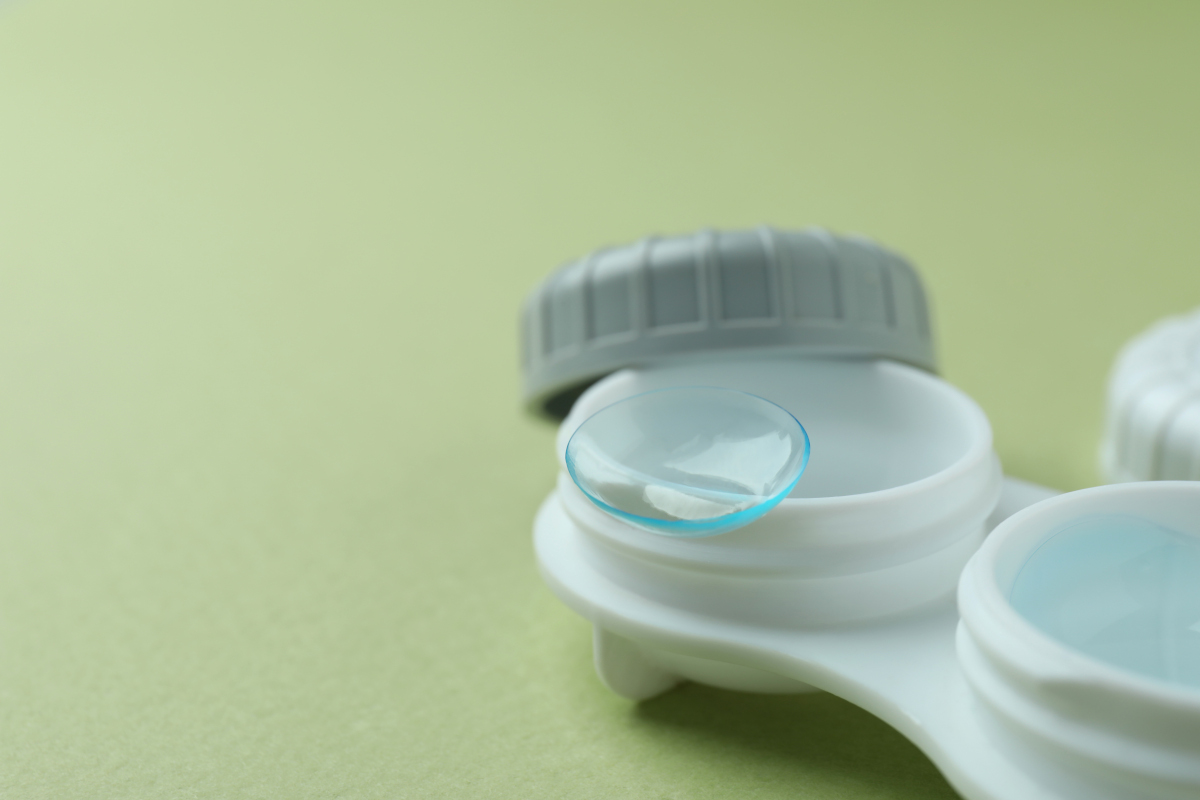
- Special contact lenses – suitable for older, responsible children, but requiring strict hygiene.
- Ortho-K (overnight lenses) – reshape the cornea during the night and provide clear vision during the day, with an additional slowing effect. They require discipline and frequent check-ups.
- Low-dose atropine drops – reduce the rate of myopia progression, but are prescribed only by a doctor and carefully monitored.
The role of daily habits in treatment
Alongside medical methods, lifestyle also plays an important role. As a parent, you can help your child with simple rules:
- at least 2 hours a day outdoors, for natural light exposure
- regular breaks every 30–40 minutes of reading or screen time
- good lighting during homework and reading
- a healthy balance between near work and outdoor activities
These measures do not replace medical treatment, but they make it more effective.
How to choose the right treatment for your child
The choice is always made together with the ophthalmologist, who takes into account:
- the child’s age
- the degree of myopia
- the rate of progression
- their level of responsibility
- lifestyle (sports, school, computer use)
For a younger child, the starting solution may be special glasses. For an older, more responsible child, Ortho-K or contact lenses can also be considered.
FAQ
Can myopia be treated only with healthy habits?
No, but habits support the effectiveness of treatment.
How long does the treatment last?
Generally, until growth is complete. Doctors usually recommend continuing myopia management until around the age of 18–20, with adjustments along the way.
Are the treatments safe?
Yes, when recommended and monitored by a doctor.
The right treatment means better vision and lower risk
For your child, the right treatment is not only about clear vision today, but also about long-term protection. With safe methods and your involvement, myopia can be kept under control.
Childhood myopia: Tips and innovations from Avvero

Myopia in children: what it is, why it appears, and how to manage it properly

Understanding the Causes of Myopia in Children
Myopia in Children: Solutions and Treatments

Discover Avvero’s initiative for managing childhood myopia, together with Myolino.
Myopia in children: symptoms, prevention, and natural treatments
Myopia can appear even at an early age, sometimes as young as 3 years old, and the first signs are often noticed by parents. Although there are no natural remedies that can cure myopia, healthy habits — a balanced diet, time spent outdoors, and limited screen use — can support medical treatment. With regular eye check-ups and active parental involvement, a child’s vision can be protected in the long term.

Special lenses for children: what innovative options exist and how to choose wisely
Special lenses for children with myopia provide not only clear vision but also long-term protection. With innovative designs such as MyoLess, they can slow the progression of myopia and reduce eye strain. Adapted to the child’s age and lifestyle, they combine everyday comfort with real, lasting benefits for eye health.
High myopia in children: what solutions exist and which lenses help
When a child has high myopia, modern solutions are needed to provide clarity and slow the progression of the condition. Special lenses for myopia control, such as MyoLess, can reduce the increase in diopters and protect vision in the long term. With regular medical monitoring and healthy daily habits, the child can maintain healthy eyes and stable vision over time.

Correcting myopia in children: safe methods and how to choose
At the age when a child is diagnosed with myopia, the natural question for parents is: “How can we correct their vision and stop the problem from progressing?” Correction doesn’t mean a cure, but rather methods that provide clear sight now and slow down long-term progression. Special glasses, contact lenses, atropine treatments, or overnight lenses — all can be adapted to the child’s age and lifestyle. With the doctor’s guidance and the parents’ daily involvement, a child’s vision can be protected for years to come.

Myopia in 7-year-old children: how to recognize the signs and solutions
At the age of 7, some children start to see poorly at a distance, and parents may notice that they sit too close to the board or the screen. Early-onset myopia can progress quickly, but the good news is that there are effective solutions — special glasses, safe treatments, and healthy daily habits. With the help of doctors and parents, a child’s vision can be protected in the long term.

About childhood myopia: how to recognize it and what you can do
More and more children are being diagnosed with myopia, and parents wonder what they can do to keep it under control. Myopia doesn’t disappear with age, but its progression can be slowed through modern methods and healthy habits. With the right information and regular checkups, parents can help their child see clearly and enjoy healthy development.