


Contact lenses for childhood myopia: what you need to know before choosing
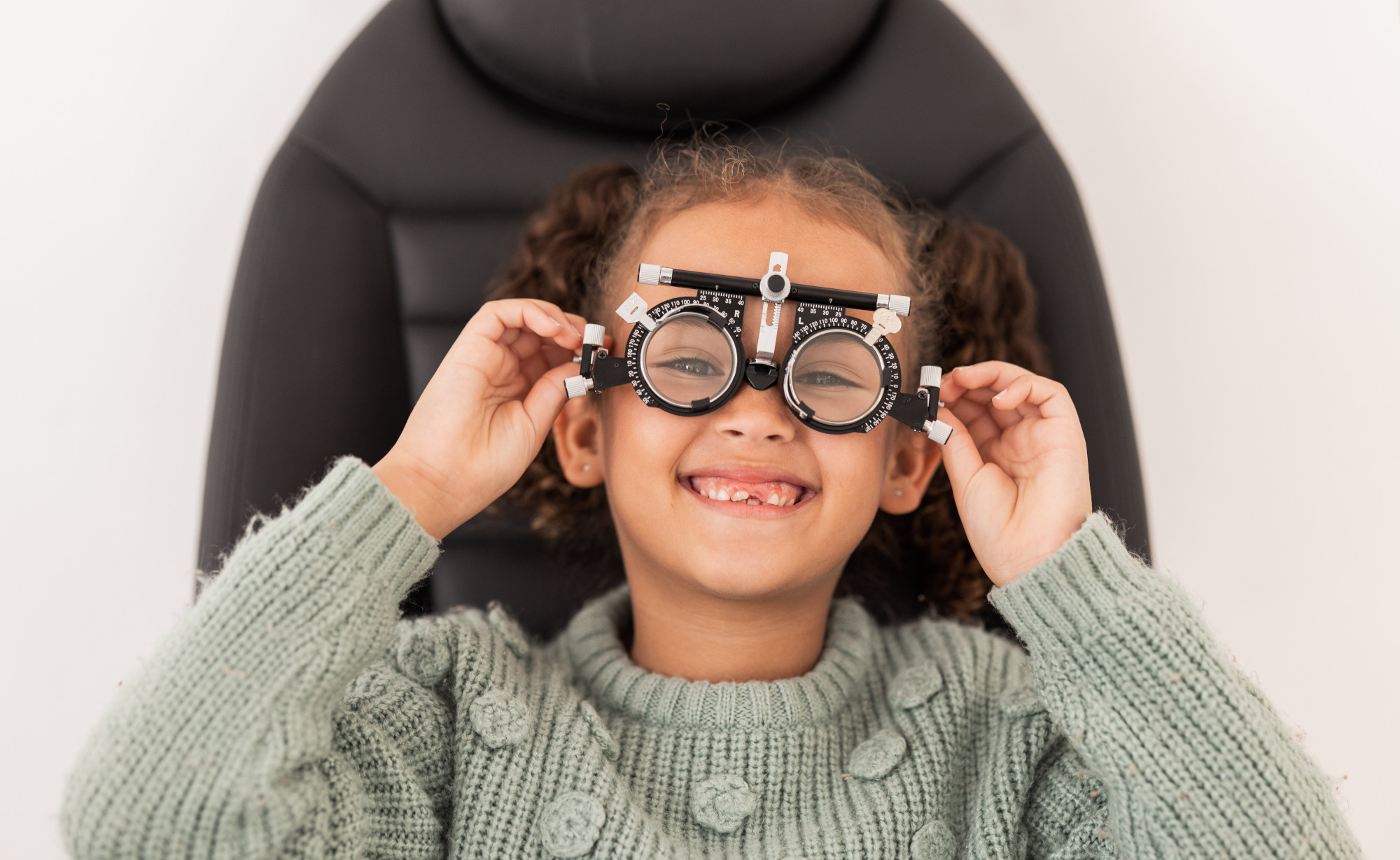
When a child has myopia, the first step is almost always correction with glasses. Still, some parents wonder whether contact lenses might be a better option, especially for active kids who play sports or feel uncomfortable wearing glasses. Let’s look at when contact lenses can be used in children and what factors matter most.

Are contact lenses suitable for children?
Yes, but not for everyone and not at any age. In general, contact lenses are recommended for older children who can follow hygiene and care rules. For younger children, glasses remain the safest and most practical solution. However, for responsible preteens or teenagers, contact lenses can be an excellent alternative.
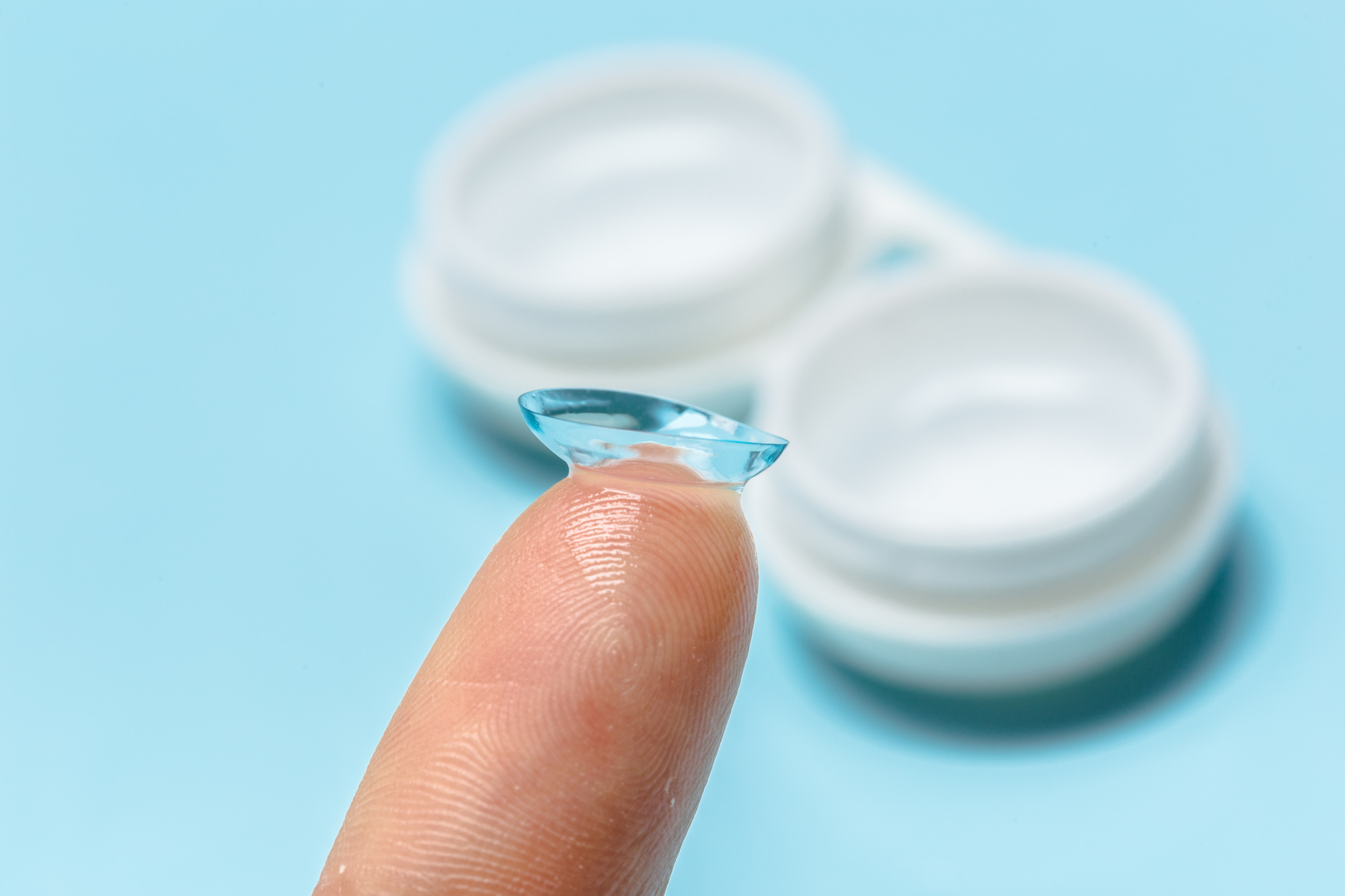
What types of contact lenses are available for children with myopia
There are several options, and the choice depends on lifestyle and medical advice:
- Daily soft lenses – the simplest and safest option, as they are discarded at the end of the day and don’t require complex care
- Monthly soft lenses – more economical but require cleaning and special solutions
- Ortho-K (Orthokeratology) lenses – worn only at night to temporarily reshape the cornea, allowing clear daytime vision without glasses; they also slow down myopia progression
Advantages of contact lenses for children
Why do some parents choose this option? Because beyond vision correction, contact lenses also provide practical benefits:
- More freedom during sports and play, without worrying about glasses
- A wider field of view and more natural vision
- Aesthetic comfort – the child doesn’t feel “different” from classmates
- In the case of Ortho-K lenses, an active role in slowing down myopia progression
Risks and things to keep in mind
Contact lenses are not risk-free. Irritation or infections may occur if hygiene rules are not followed. That’s why it’s essential that:
- The child is responsible enough to use them correctly
- Daily cleaning and care routines are respected (except for daily disposables)
- Regular medical check-ups are scheduled to monitor eye health
How to know if your child is ready for contact lenses
There is no “magic age.” Some children are ready earlier, others later. What matters is responsibility: if your child can follow the rules and wants to try, the doctor may recommend contact lenses. The child must understand the importance of hygiene and be consistent with daily routines. Parental support also makes the transition easier and increases the chances of safe, proper use.
Contact lenses for children – FAQ
Are contact lenses better than glasses?
Not necessarily. Both correct vision. Lenses provide freedom and comfort in certain situations, but glasses remain the simplest and safest solution for many children.
Can contact lenses cure myopia?
No. They correct vision and, in the case of Ortho-K, can slow progression, but they do not cure myopia.
Is it risky to let a child wear them?
If used correctly and under medical supervision, risks are low. Problems usually arise when hygiene rules or regular check-ups are ignored.
At what age can children start wearing contact lenses?
Some children are ready around 10–12 years old, others later. More important than age is the level of responsibility and the recommendation of the eye doctor.
Contact lenses: an option only when the child is ready
Contact lenses can be a good option for older, responsible children, especially those who play sports or feel uncomfortable with glasses. But they’re not for everyone: success depends on the child’s motivation, parental support, and medical guidance. When used correctly, contact lenses provide freedom and clarity, and some types can even help slow down the progression of myopia.
Childhood myopia: Tips and innovations from Avvero

Myopia in children: what it is, why it appears, and how to manage it properly

Understanding the Causes of Myopia in Children
Myopia in Children: Solutions and Treatments

Discover Avvero’s initiative for managing childhood myopia, together with Myolino.
Myopia in children: symptoms, prevention, and natural treatments
Myopia can appear even at an early age, sometimes as young as 3 years old, and the first signs are often noticed by parents. Although there are no natural remedies that can cure myopia, healthy habits — a balanced diet, time spent outdoors, and limited screen use — can support medical treatment. With regular eye check-ups and active parental involvement, a child’s vision can be protected in the long term.
Special lenses for children: what innovative options exist and how to choose wisely
Special lenses for children with myopia provide not only clear vision but also long-term protection. With innovative designs such as MyoLess, they can slow the progression of myopia and reduce eye strain. Adapted to the child’s age and lifestyle, they combine everyday comfort with real, lasting benefits for eye health.
High myopia in children: what solutions exist and which lenses help
When a child has high myopia, modern solutions are needed to provide clarity and slow the progression of the condition. Special lenses for myopia control, such as MyoLess, can reduce the increase in diopters and protect vision in the long term. With regular medical monitoring and healthy daily habits, the child can maintain healthy eyes and stable vision over time.
Treatment for myopia in children: safe and effective options
More and more parents are looking for modern solutions to correct their children’s myopia, and today’s treatments offer safe and effective options. Special glasses, contact lenses, or atropine treatments can be tailored to each child, depending on age and the degree of myopia. With proper medical supervision and healthy daily habits, vision can remain clear and stable in the long term.

Correcting myopia in children: safe methods and how to choose
At the age when a child is diagnosed with myopia, the natural question for parents is: “How can we correct their vision and stop the problem from progressing?” Correction doesn’t mean a cure, but rather methods that provide clear sight now and slow down long-term progression. Special glasses, contact lenses, atropine treatments, or overnight lenses — all can be adapted to the child’s age and lifestyle. With the doctor’s guidance and the parents’ daily involvement, a child’s vision can be protected for years to come.
Myopia in 7-year-old children: how to recognize the signs and solutions
At the age of 7, some children start to see poorly at a distance, and parents may notice that they sit too close to the board or the screen. Early-onset myopia can progress quickly, but the good news is that there are effective solutions — special glasses, safe treatments, and healthy daily habits. With the help of doctors and parents, a child’s vision can be protected in the long term.