


Lenses for childhood myopia: what options exist and how to choose correctly

More and more parents hear from the doctor that their child needs lenses to correct or control myopia. Naturally, this raises questions: what kind of lenses are suitable? How do they work? Do they only provide clear vision, or can they also slow down myopia progression? Here’s what you need to know about lenses for children with myopia.

Why lenses are important for children
In children, vision is constantly changing. That’s why myopia lenses become essential — prescriptions can increase as the eye grows. Lenses don’t just mean “seeing clearly now”; they can also influence how myopia develops. The right choice helps the child perform better at school and, in some cases, reduces long-term risks.
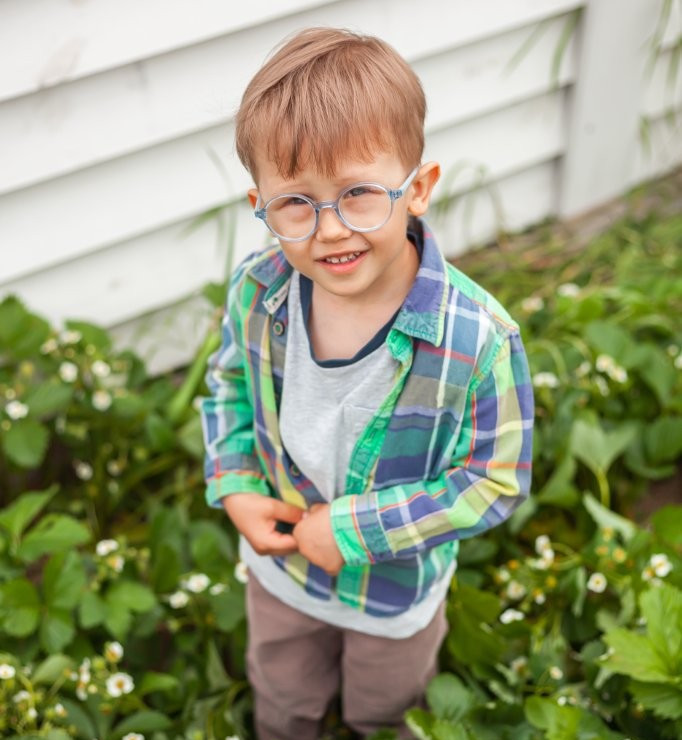
Types of lenses for myopia correction
Several options are available, and the choice depends on the child’s specific needs. In general, you can choose between:
- Regular glasses for vision correction – they correct myopia and ensure clear vision but do not control its progression.
- Special myopia control glasses – they feature innovative designs (such as defocus zone lenses) that slow down myopia progression.
It’s not just the frame that matters — lenses do, too. Both regular and special glasses can be combined with additional features tailored to the child’s needs:
- Thinned lenses – useful for higher prescriptions, making glasses lighter and more aesthetic.
- Anti-reflective coating – reduces eye strain and improves clarity, especially at school or when using screens.
- UV filter – protects the eyes from harmful solar radiation.
What studies say about special lenses
Not all lenses have the same effect. International clinical studies have shown that specially designed myopia control lenses, such as MyoLess, can reduce myopia progression by about one-third compared with standard lenses. Research indicates that over 73% of children wearing MyoLess lenses showed no significant increase in prescription after 12 months. These benefits are not just short-term — they continue over several years. This means that choosing this type of lens can make a real difference in your child’s visual health.
How to choose the right lenses for your child
The decision shouldn’t be based only on price or appearance, but on medical needs and lifestyle:
- Age – younger children tend to experience faster progression, so myopia control solutions are recommended.
- Prescription – higher myopia may require thinned or specially treated lenses.
- Daily activities – sports, screen time, reading habits — all influence lens choice.
- Doctor’s recommendation – every child is different, and the final decision should be made together with an eye care specialist.
Regardless of the situation, myopia lenses for children should always be selected individually, with professional guidance.
Helping your child adapt to new lenses
For a child, wearing glasses is not always easy. To make the adjustment smoother:
- explain why lenses are needed and how they help
- involve your child in choosing the frame so they enjoy wearing it
- praise and encourage them for consistency
- introduce the glasses gradually, starting with short periods and extending wear time
FAQ
Are special lenses better than regular ones?
It depends on the goal. Regular lenses provide clear vision but do not influence myopia progression. Special lenses can slow it down and are recommended in many cases.
Are blue-light filter lenses necessary?
Not mandatory, but useful for children who spend long hours at the computer or on tablets, helping reduce visual fatigue.
Do lenses need to be replaced often?
In children, myopia can progress quickly. That’s why eye exams every 6–12 months are important, along with updating the glasses if needed.
The right lenses: clear vision today, protection for tomorrow
Myopia lenses for children are not all the same — some provide only clarity, while others can also slow progression. What truly matters is choosing the option best suited to the child’s age and needs, in consultation with an eye specialist. This way, you ensure not only clear vision today but also long-term protection for your child’s eye health.
Childhood myopia: Tips and innovations from Avvero

Myopia in children: what it is, why it appears, and how to manage it properly

Understanding the Causes of Myopia in Children
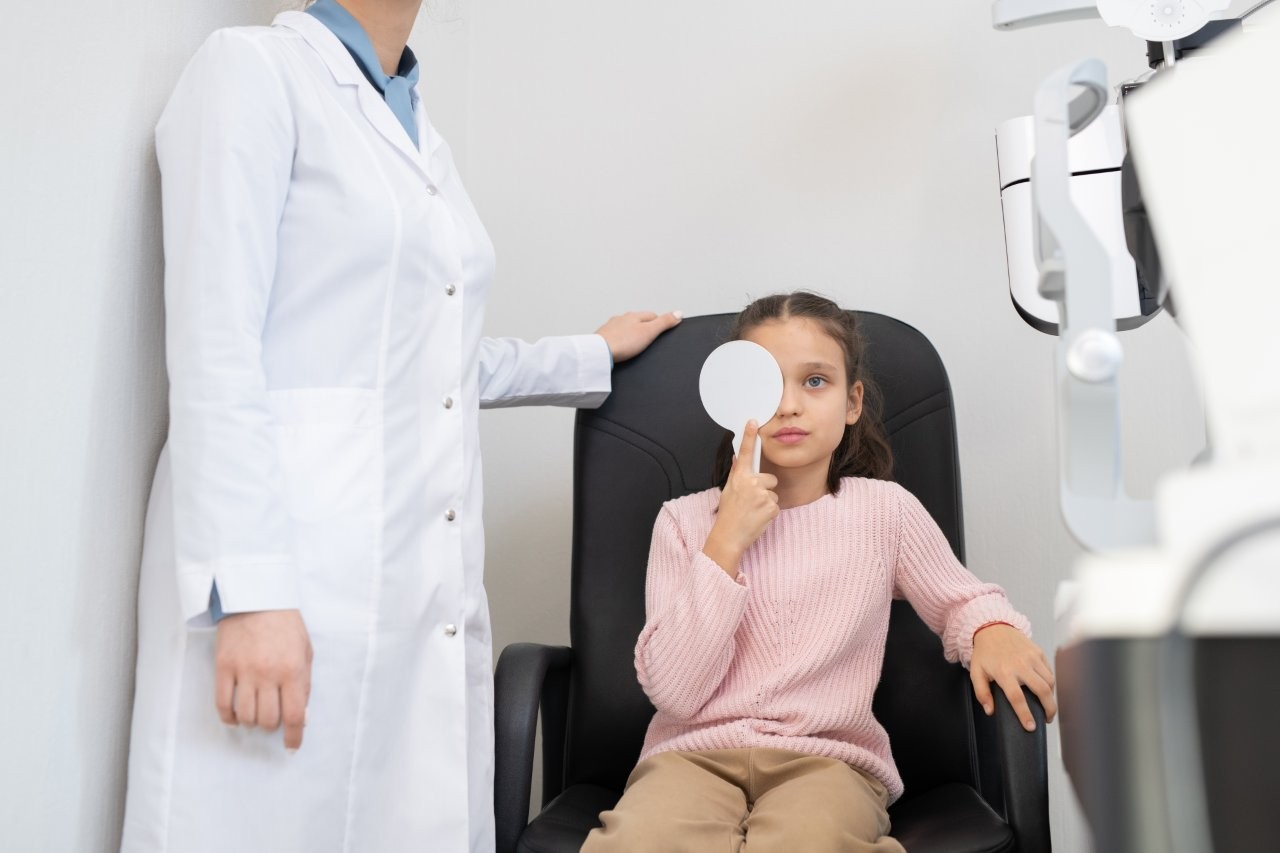
Myopia in Children: Solutions and Treatments

Discover Avvero’s initiative for managing childhood myopia, together with Myolino.
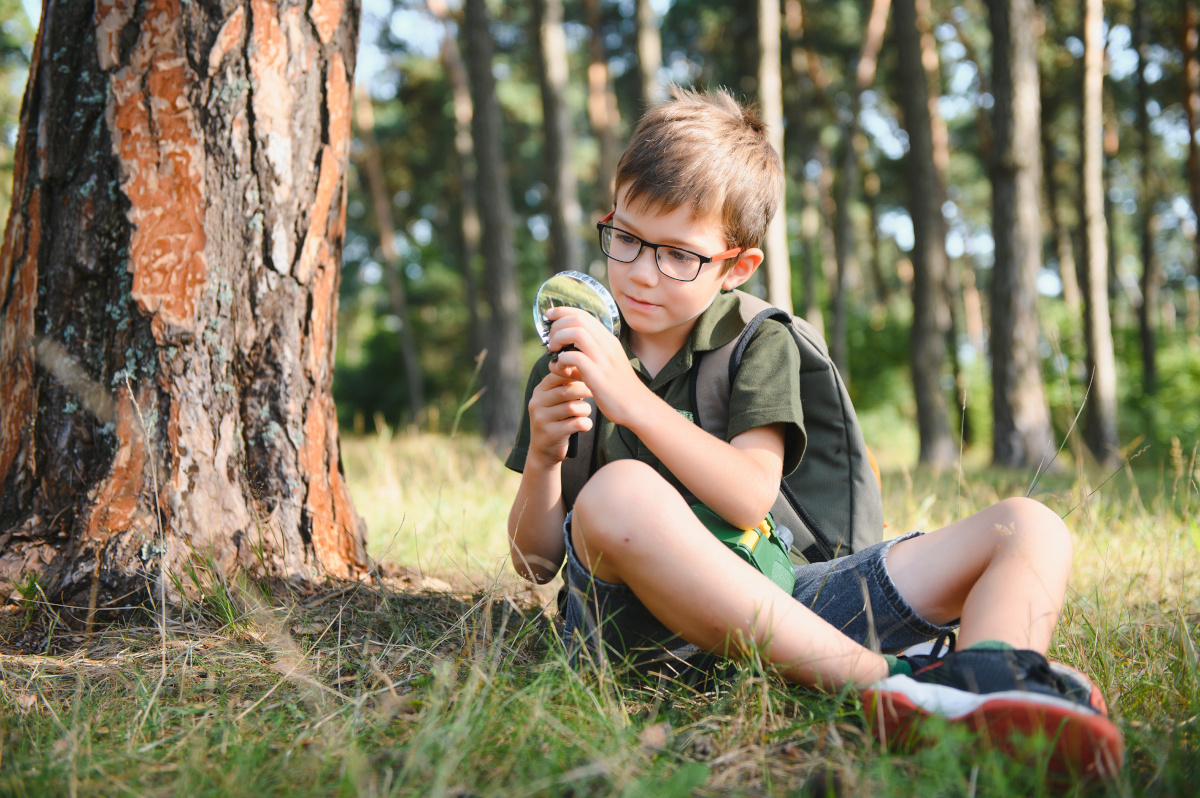
Myopia in children: symptoms, prevention, and natural treatments
Myopia can appear even at an early age, sometimes as young as 3 years old, and the first signs are often noticed by parents. Although there are no natural remedies that can cure myopia, healthy habits — a balanced diet, time spent outdoors, and limited screen use — can support medical treatment. With regular eye check-ups and active parental involvement, a child’s vision can be protected in the long term.
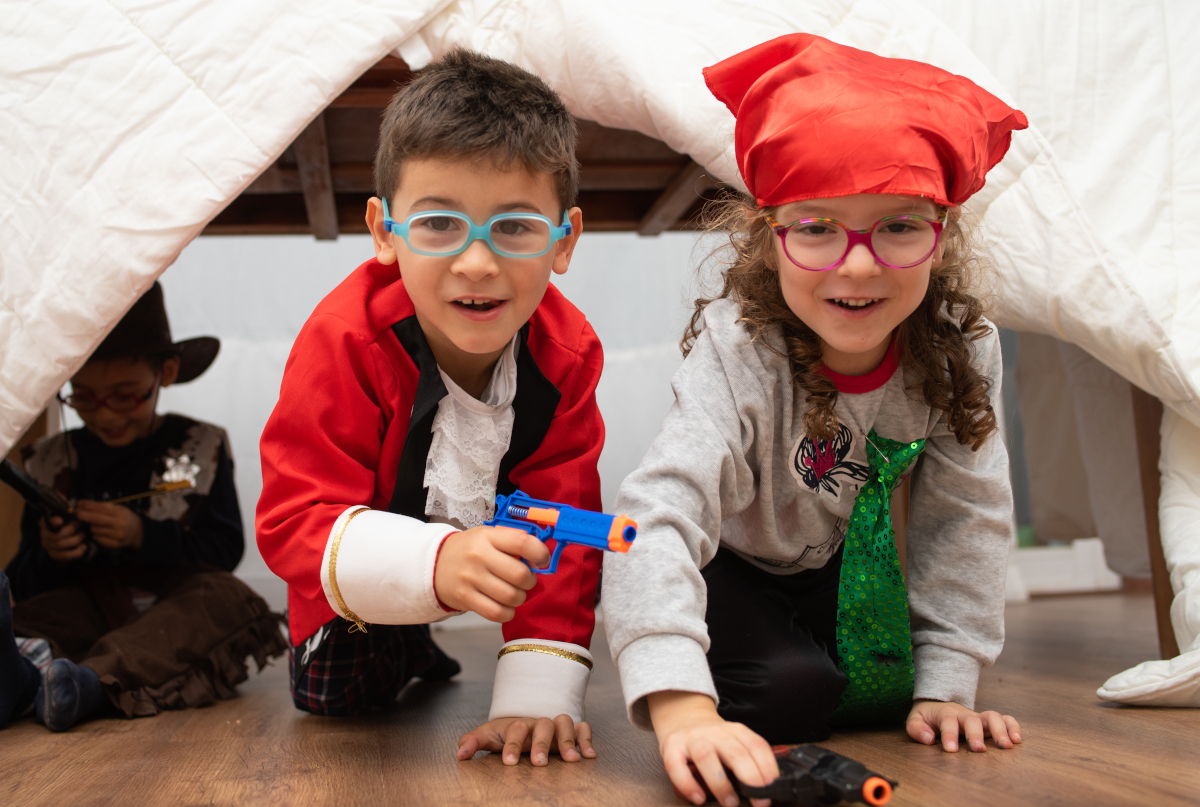
Special lenses for children: what innovative options exist and how to choose wisely
Special lenses for children with myopia provide not only clear vision but also long-term protection. With innovative designs such as MyoLess, they can slow the progression of myopia and reduce eye strain. Adapted to the child’s age and lifestyle, they combine everyday comfort with real, lasting benefits for eye health.
High myopia in children: what solutions exist and which lenses help
When a child has high myopia, modern solutions are needed to provide clarity and slow the progression of the condition. Special lenses for myopia control, such as MyoLess, can reduce the increase in diopters and protect vision in the long term. With regular medical monitoring and healthy daily habits, the child can maintain healthy eyes and stable vision over time.
Treatment for myopia in children: safe and effective options
More and more parents are looking for modern solutions to correct their children’s myopia, and today’s treatments offer safe and effective options. Special glasses, contact lenses, or atropine treatments can be tailored to each child, depending on age and the degree of myopia. With proper medical supervision and healthy daily habits, vision can remain clear and stable in the long term.

Correcting myopia in children: safe methods and how to choose
At the age when a child is diagnosed with myopia, the natural question for parents is: “How can we correct their vision and stop the problem from progressing?” Correction doesn’t mean a cure, but rather methods that provide clear sight now and slow down long-term progression. Special glasses, contact lenses, atropine treatments, or overnight lenses — all can be adapted to the child’s age and lifestyle. With the doctor’s guidance and the parents’ daily involvement, a child’s vision can be protected for years to come.
Myopia in 7-year-old children: how to recognize the signs and solutions
At the age of 7, some children start to see poorly at a distance, and parents may notice that they sit too close to the board or the screen. Early-onset myopia can progress quickly, but the good news is that there are effective solutions — special glasses, safe treatments, and healthy daily habits. With the help of doctors and parents, a child’s vision can be protected in the long term.